Decoding the Hybrid Shopper: 5 Actionable Insights for Retailers in 2026 to Capture 30% More Sales
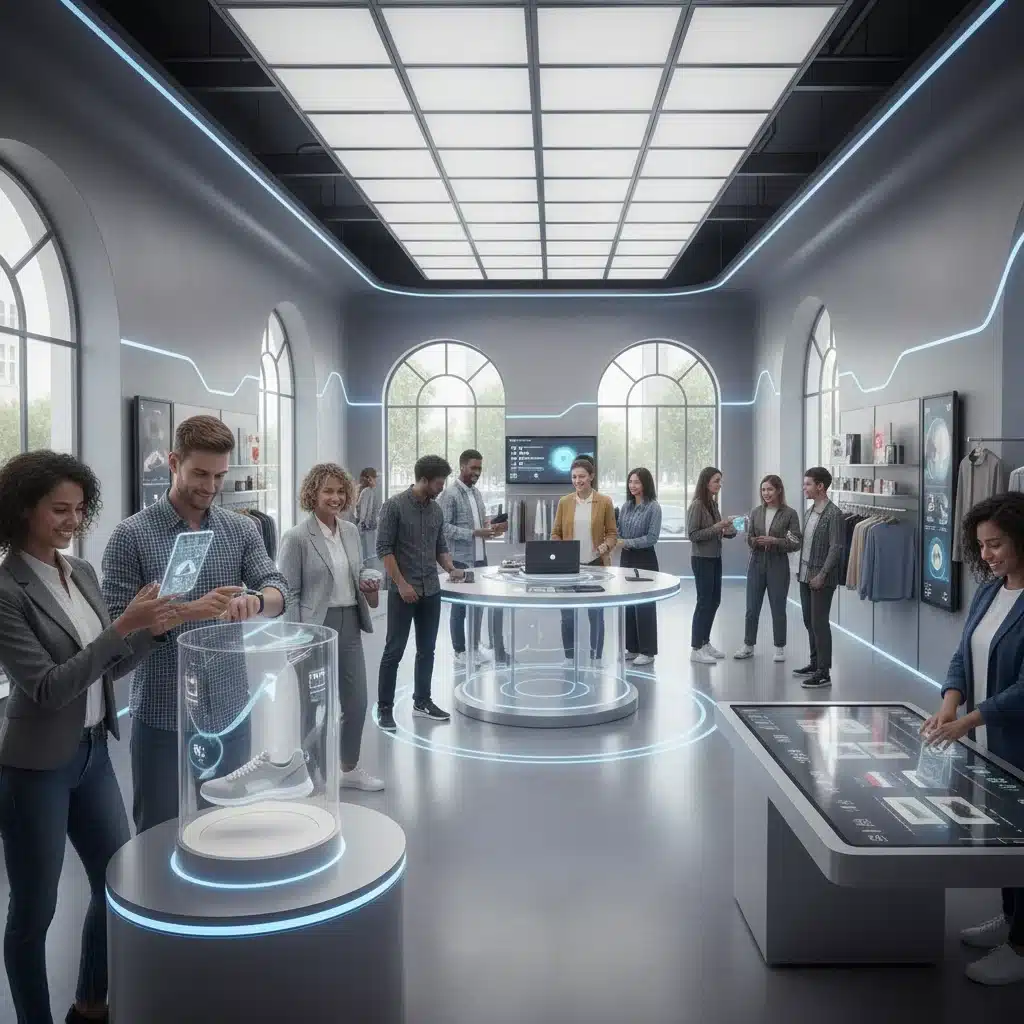
Decoding the Hybrid Shopper: 5 Actionable Insights for Retailers in 2026 to Capture 30% More Sales
The retail world is in constant flux, a dynamic ecosystem shaped by evolving consumer behaviors and technological advancements. As we approach 2026, one demographic stands out as the most influential force: the hybrid shopper. These consumers seamlessly blend online and offline channels, expecting a cohesive and personalized experience at every touchpoint. For retailers aiming to not just survive but thrive, understanding and catering to the hybrid shopper insights is paramount. This comprehensive guide will delve into five actionable insights designed to help retailers capture up to 30% more sales by optimizing their strategies for this powerful consumer segment.
Understanding the Hybrid Shopper: A New Paradigm in Retail
Before we dive into actionable insights, it’s crucial to define who the hybrid shopper is. They are not merely online shoppers who occasionally visit a physical store, nor are they traditional brick-and-mortar loyalists who dabble in e-commerce. Instead, the hybrid shopper is characterized by their fluid movement across channels, often within a single purchase journey. They might research products online, visit a store to see them in person, compare prices on their mobile while in-store, and then complete the purchase through an app or website, opting for home delivery or curbside pickup. This multi-faceted approach means their expectations for convenience, personalization, and immediacy are higher than ever before.
The pandemic significantly accelerated this shift, forcing many consumers to embrace digital shopping while simultaneously highlighting the enduring value of physical interaction. Now, as the world stabilizes, the hybrid model has become the default for a significant portion of the population. Retailers who fail to recognize and adapt to these hybrid shopper insights risk being left behind in an increasingly competitive market.
Insight 1: Hyper-Personalization Across All Touchpoints
The Demand for ‘Me-Centric’ Experiences
In an ocean of choices, the hybrid shopper craves relevance. Generic marketing messages and one-size-fits-all product recommendations no longer cut it. Hyper-personalization, driven by robust data analytics, is the key to creating meaningful connections and driving sales. This goes beyond simply addressing a customer by their first name in an email. It involves understanding their past purchases, browsing history, preferences, and even their behavioral patterns across both digital and physical interactions.
Actionable Steps for Hyper-Personalization:
- Unified Customer Profiles: Break down data silos. Integrate data from your e-commerce platform, CRM, POS systems, loyalty programs, and even in-store Wi-Fi analytics to build a 360-degree view of each customer. This unified profile is the bedrock for effective hybrid shopper insights.
- AI-Powered Recommendations: Implement AI and machine learning algorithms to offer highly relevant product recommendations in real-time. This includes website suggestions, in-app notifications, and even personalized offers presented by sales associates in-store based on their digital footprint.
- Dynamic Content and Offers: Tailor website content, email campaigns, and push notifications based on individual browsing behavior and purchase history. A customer who frequently browses athletic wear should receive promotions for new running shoes, not kitchen appliances.
- Personalized In-Store Experiences: Equip sales associates with tools that provide them with customer insights when a loyalty member walks into the store. Imagine an associate knowing a customer’s preferred brands or recent online searches, allowing them to offer truly helpful and personalized assistance.
- Segmented Marketing Campaigns: Beyond individual personalization, create highly segmented marketing campaigns based on detailed demographic, psychographic, and behavioral data. This ensures messages resonate with specific groups of hybrid shoppers.
By leveraging hyper-personalization, retailers can significantly increase conversion rates, improve customer satisfaction, and foster long-term loyalty, directly translating into higher sales and a stronger competitive edge in catering to hybrid shopper insights.
Insight 2: Seamless Omnichannel Integration is Non-Negotiable
Breaking Down the Walls Between Online and Offline
The hybrid shopper doesn’t differentiate between your website, your app, or your physical store; they see it all as ‘your brand.’ Therefore, any friction or inconsistency between these channels will lead to frustration and lost sales. A truly seamless omnichannel experience is about creating a unified brand presence where customers can start a journey on one channel and effortlessly continue it on another.
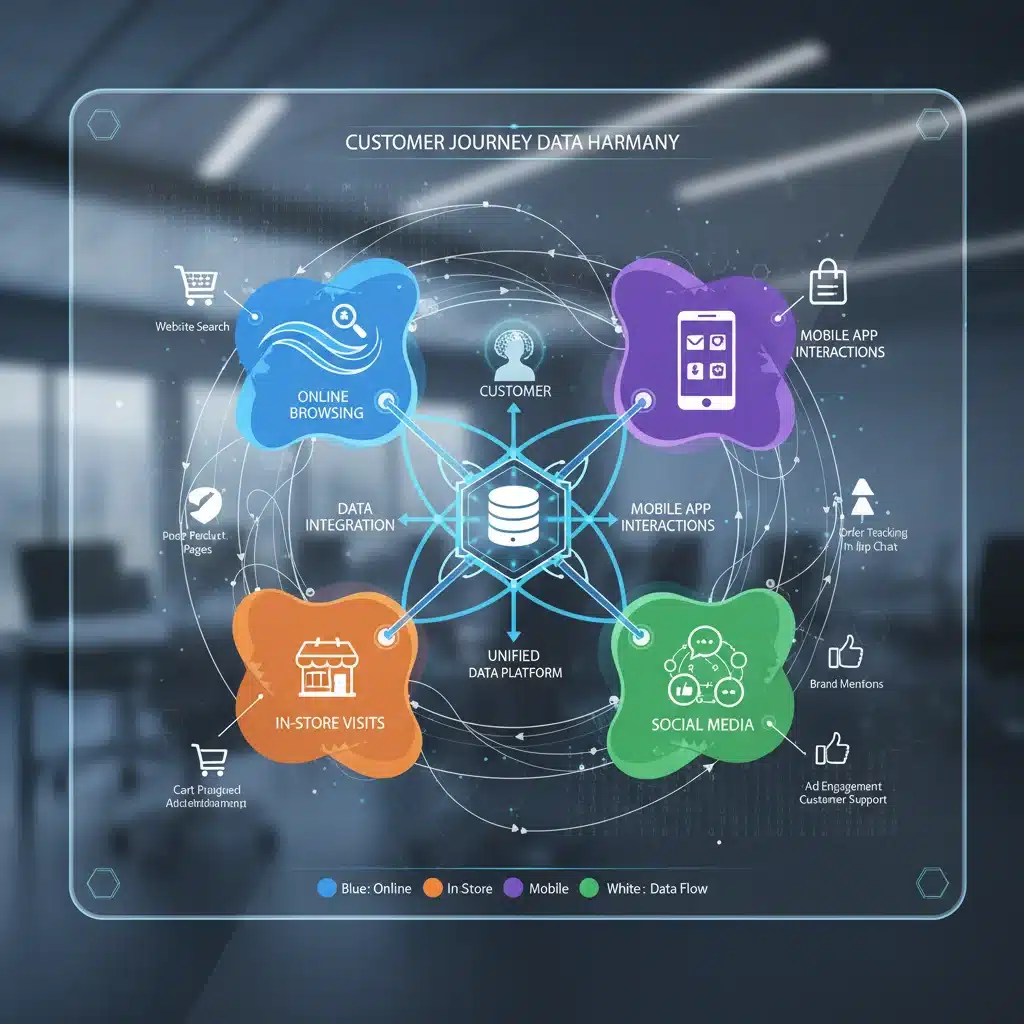
Core Components of Seamless Omnichannel:
- Consistent Branding and Messaging: Ensure your brand voice, visual identity, and promotional messages are consistent across all platforms. This builds trust and reinforces brand recognition for the hybrid shopper.
- Inventory Visibility Across Channels: Customers expect to know if a product is in stock, whether online or at their nearest physical store. Real-time inventory synchronization is crucial for features like ‘buy online, pick up in store’ (BOPIS) and ‘ship from store.’
- Click & Collect / Curbside Pickup: These services have become table stakes for the hybrid shopper. They offer the convenience of online shopping with the immediacy of in-store pickup, bridging the gap between digital and physical.
- Easy Returns and Exchanges: Allow customers to return or exchange items purchased online at a physical store, and vice-versa. A flexible and customer-friendly returns policy significantly enhances the overall experience.
- Synchronized Shopping Carts: Imagine a customer adding items to their cart on their desktop, then being able to access that same cart from their mobile app or even have a sales associate retrieve it in-store. This level of integration removes friction and boosts conversion rates for the hybrid shopper.
- In-Store Technology Integration: Use technology like endless aisles (digital kiosks in-store to browse extended inventory), smart mirrors, and mobile POS systems to enhance the in-store experience and connect it with the digital realm.
Investing in robust omnichannel infrastructure is not an option; it’s a necessity for any retailer looking to achieve significant growth in the coming years by leveraging hybrid shopper insights.
Insight 3: Embracing Data-Driven Decision Making
From Guesswork to Growth: The Power of Analytics
In the age of the hybrid shopper, data is your most valuable asset. Every interaction, click, purchase, and even browsing session generates a wealth of information that, when properly analyzed, can provide profound hybrid shopper insights into consumer behavior, preferences, and market trends. Relying on intuition alone is a recipe for stagnation; data-driven decision-making is the engine of modern retail success.
Leveraging Data for Strategic Growth:
- Advanced Analytics Tools: Implement analytics platforms that can aggregate and interpret data from all your channels – e-commerce, CRM, POS, social media, and even IoT devices in-store.
- Customer Journey Mapping: Visualize the paths your hybrid shoppers take across different touchpoints. Identify pain points, drop-off points, and moments of delight to optimize the entire journey.
- Predictive Analytics: Use historical data to forecast future trends, demand for products, and even individual customer behavior. This allows for proactive inventory management, personalized marketing, and optimized staffing.
- A/B Testing and Experimentation: Continuously test different website layouts, email subject lines, product display strategies, and promotional offers. Data from these tests will provide clear hybrid shopper insights into what resonates most with your audience.
- Feedback Loops: Actively solicit and analyze customer feedback through surveys, reviews, and social media monitoring. This qualitative data, combined with quantitative analytics, provides a holistic view of customer satisfaction and areas for improvement.
- Performance Measurement: Establish clear KPIs (Key Performance Indicators) for every aspect of your retail operation, from website conversion rates to in-store foot traffic and customer lifetime value. Regularly track and report on these metrics to gauge the effectiveness of your strategies regarding hybrid shopper insights.
By transforming raw data into actionable intelligence, retailers can make smarter decisions, optimize their operations, and create more compelling experiences that drive sales and profitability, especially when understanding the nuances of hybrid shopper insights.
Insight 4: Elevating the In-Store Experience with Technology
The Physical Store as an Experiential Hub
While digital channels offer convenience, physical stores provide an invaluable opportunity for sensory engagement, immediate gratification, and human connection. For the hybrid shopper, the brick-and-mortar store is no longer just a place to buy; it’s a destination for discovery, experience, and personalized service. Retailers must invest in technology that enhances, rather than detracts from, this physical interaction.
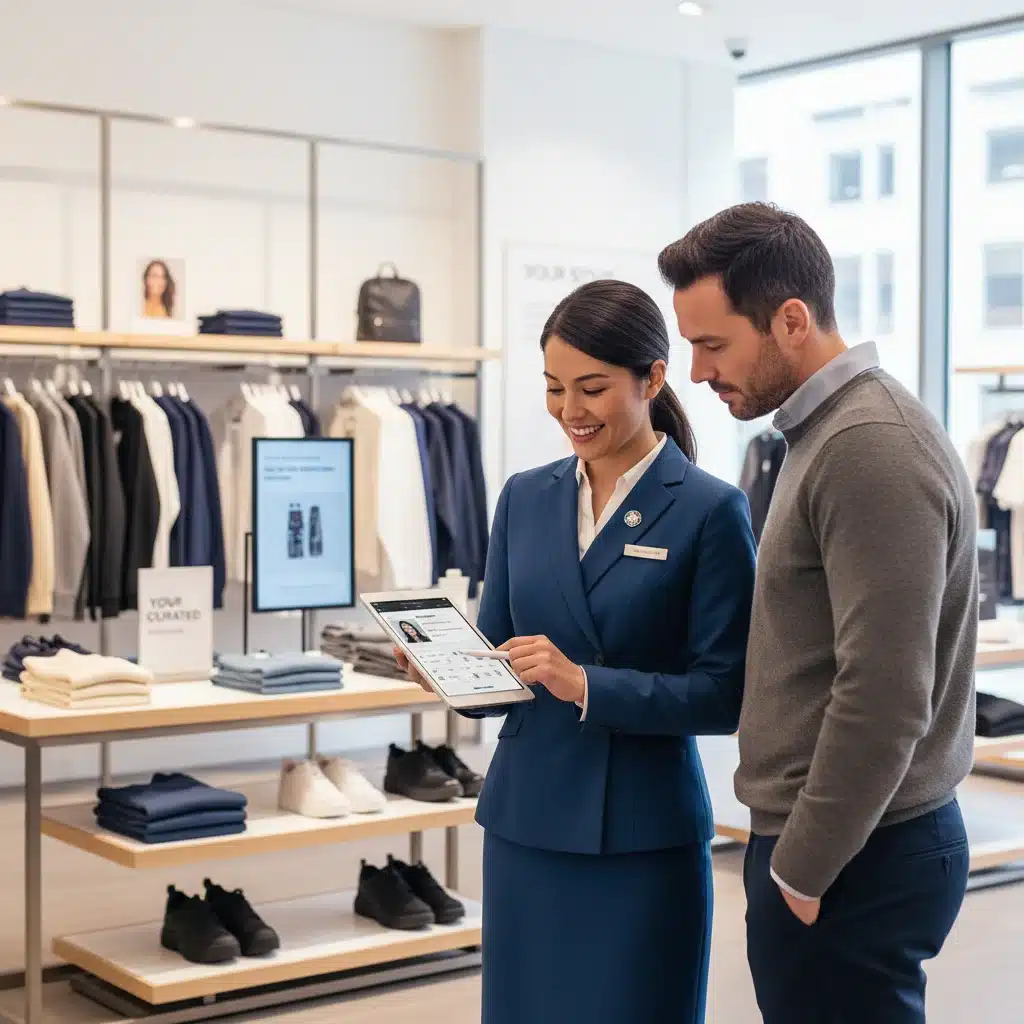
Innovations for the Modern Physical Store:
- Associate Empowerment Tools: Provide sales associates with tablets or mobile devices that give them access to customer profiles, inventory levels (across all stores and online), product information, and personalized recommendations. This empowers them to offer truly exceptional service, a critical aspect of hybrid shopper insights.
- Interactive Displays and Augmented Reality (AR): Engage customers with interactive screens, virtual try-on experiences, and AR applications that allow them to visualize products in their own environment.
- Contactless Payments and Self-Checkout: Streamline the checkout process to reduce wait times and enhance convenience. Contactless options are now a standard expectation for many hybrid shoppers.
- Smart Shelves and IoT Sensors: Use technology to monitor inventory in real-time, track customer movement patterns, and even provide dynamic pricing based on demand or customer presence.
- Experiential Zones: Create dedicated areas within the store for workshops, product demonstrations, or community events. These experiences foster brand loyalty and provide reasons for the hybrid shopper to visit beyond a simple transaction.
- Location-Based Services: Leverage geofencing and push notifications to offer relevant promotions or information to customers when they are near or inside your store, based on their individual hybrid shopper insights.
By transforming physical stores into dynamic, tech-infused experiential hubs, retailers can create compelling reasons for hybrid shoppers to visit, enhancing brand engagement and driving both in-store and online sales.
Insight 5: Building Trust and Transparency in a Digital Age
The Unseen Drivers of Customer Loyalty
In an increasingly interconnected and often skeptical world, trust and transparency are more valuable than ever. The hybrid shopper is discerning; they care about where products come from, how companies treat their employees, and how their personal data is handled. Building a reputation for integrity is not just good ethics; it’s good business, directly influencing purchasing decisions and customer loyalty, especially when considering hybrid shopper insights.
Fostering Trust and Transparency:
- Ethical Sourcing and Sustainability: Be transparent about your supply chain, sourcing practices, and commitment to environmental and social responsibility. Many hybrid shoppers are willing to pay a premium for ethically produced goods.
- Data Privacy and Security: Clearly communicate how customer data is collected, stored, and used. Provide easy-to-understand privacy policies and give customers control over their information. A data breach can severely damage trust.
- Authentic Customer Reviews and UGC: Encourage and showcase genuine customer reviews and user-generated content (UGC). These authentic voices are often more persuasive than traditional advertising for the savvy hybrid shopper.
- Clear Return and Warranty Policies: Ensure your policies are straightforward, fair, and easy to understand. Hidden fees or complicated return processes erode trust.
- Responsive Customer Service: Provide multiple channels for customer support (chat, email, phone, in-store) and ensure timely, helpful, and empathetic responses. Excellent service builds confidence and loyalty.
- Brand Storytelling: Share your brand’s mission, values, and the people behind your products. Authentic storytelling creates an emotional connection with the hybrid shopper and differentiates your brand.
By prioritizing trust and transparency, retailers can cultivate a loyal customer base that not only purchases frequently but also becomes brand advocates, contributing significantly to that 30% sales increase by understanding and acting on hybrid shopper insights.
The Road Ahead: Preparing for 2026 and Beyond
The retail landscape of 2026 will be defined by agility, innovation, and an unwavering focus on the customer. The hybrid shopper, with their fluid journey across digital and physical realms, sets the bar high for customer experience. Retailers who proactively adopt these five actionable insights – hyper-personalization, seamless omnichannel integration, data-driven decision-making, elevated in-store experiences, and a commitment to trust and transparency – will be well-positioned to meet these evolving demands.
Achieving a 30% increase in sales by 2026 is an ambitious but attainable goal for those who embrace the challenge. It requires a holistic approach, a willingness to invest in technology, and a deep understanding of the modern consumer. The future of retail belongs to those who can master the art and science of serving the hybrid shopper. Start implementing these strategies today to secure your place at the forefront of the retail revolution.
Conclusion: Mastering the Hybrid Shopper for Future Retail Success
The rise of the hybrid shopper marks a significant evolution in consumer behavior, demanding a fundamental shift in retail strategies. The traditional distinctions between online and offline commerce have blurred, giving way to an integrated, fluid shopping journey. Retailers who recognize this paradigm shift and strategically adapt their operations stand to gain a considerable competitive advantage. By focusing on hyper-personalization, creating a truly seamless omnichannel experience, making data-driven decisions, transforming the physical store into an experiential hub, and building a foundation of trust and transparency, businesses can not only meet but exceed the expectations of the modern hybrid shopper. These five insights are not merely suggestions; they are critical pillars for sustainable growth and increased profitability in the dynamic retail environment leading up to and beyond 2026. The goal of capturing 30% more sales is within reach for those who are prepared to innovate and prioritize the sophisticated needs of today’s discerning consumers, driven by astute hybrid shopper insights.