Gen Z Political Engagement: Digital Activism & 2026 U.S. Policy
Decoding Gen Z’s Political Engagement: A 2026 Analysis of Digital Activism and Its Impact on U.S. Policy
The political landscape of the United States is in a constant state of flux, shaped by shifting demographics, evolving technologies, and the emergent voices of new generations. Among these, Gen Z Politics stands out as a particularly potent and transformative force. Born roughly between the mid-1990s and the early 2010s, this generation has come of age in an era defined by hyper-connectivity, global crises, and a pervasive sense of urgency regarding societal issues. Their approach to political engagement is distinct, often eschewing traditional avenues in favor of digital platforms and direct action. As we look towards the 2026 U.S. elections and beyond, understanding the nuances of Gen Z’s political behavior, particularly their reliance on digital activism, is not just insightful – it’s imperative for anyone seeking to comprehend the future trajectory of American policy and civic participation.
This comprehensive analysis aims to dissect the multifaceted nature of Gen Z’s political involvement. We will explore the foundational experiences that have shaped their worldview, delve into the mechanisms of their digital activism, and project the tangible impacts these actions are likely to have on U.S. policy. From climate change to social justice, economic inequality to gun control, Gen Z has demonstrated a remarkable willingness to mobilize, advocate, and demand change, often leveraging the very digital tools that define their generation. This deep dive will provide insider knowledge into their strategies, motivations, and the evolving dynamics of their influence on the American political stage.
The Formative Experiences Shaping Gen Z Politics
To truly grasp the essence of Gen Z Politics, one must first understand the unique crucible in which this generation has been forged. Unlike their predecessors, Gen Z has no memory of a world without the internet, social media, or smartphones. This inherent digital fluency is not merely a tool but a foundational aspect of their identity and how they interact with the world, including politics. They are digital natives in the truest sense, constantly connected, informed, and exposed to a global tapestry of information and perspectives. This constant flow of information has cultivated a heightened awareness of societal issues, both domestic and international, fostering a sense of global citizenship and interconnectedness.
Beyond technology, Gen Z has navigated a series of seismic global events that have profoundly influenced their political consciousness. They grew up in the shadow of the 9/11 attacks, experienced the Great Recession, witnessed the rise of pervasive gun violence, lived through a global pandemic, and are acutely aware of the escalating climate crisis. These experiences have instilled in them a sense of urgency and a skepticism towards traditional institutions and established power structures. They have seen firsthand how political decisions, or the lack thereof, can have immediate and far-reaching consequences on their lives and the planet. This has led to a proactive stance, where waiting for change is often seen as an untenable option.
Furthermore, Gen Z is the most diverse generation in U.S. history. This inherent diversity, encompassing race, ethnicity, gender identity, sexual orientation, and socioeconomic background, profoundly shapes their political priorities. Issues of equity, inclusion, and social justice are not abstract concepts but lived realities for many within this cohort. Their collective experiences with discrimination, systemic inequalities, and calls for greater representation have fueled a passionate commitment to advocating for marginalized communities and dismantling oppressive systems. This intersectional approach to activism is a hallmark of Gen Z Politics, broadening the scope of what constitutes a political issue and demanding a more holistic approach to social change.
The rise of identity politics, combined with a deep understanding of systemic issues, means that Gen Z often views policy through a lens of social impact and fairness. They are less likely to be swayed by broad ideological appeals and more likely to evaluate political candidates and policies based on their concrete effects on real people and communities. This pragmatism, coupled with their idealism, creates a powerful dynamic that challenges the status quo and pushes for innovative solutions. Their formative experiences have not just informed their political views but have actively shaped their methodologies for engaging with the political process.
Digital Activism: The Engine of Gen Z Engagement
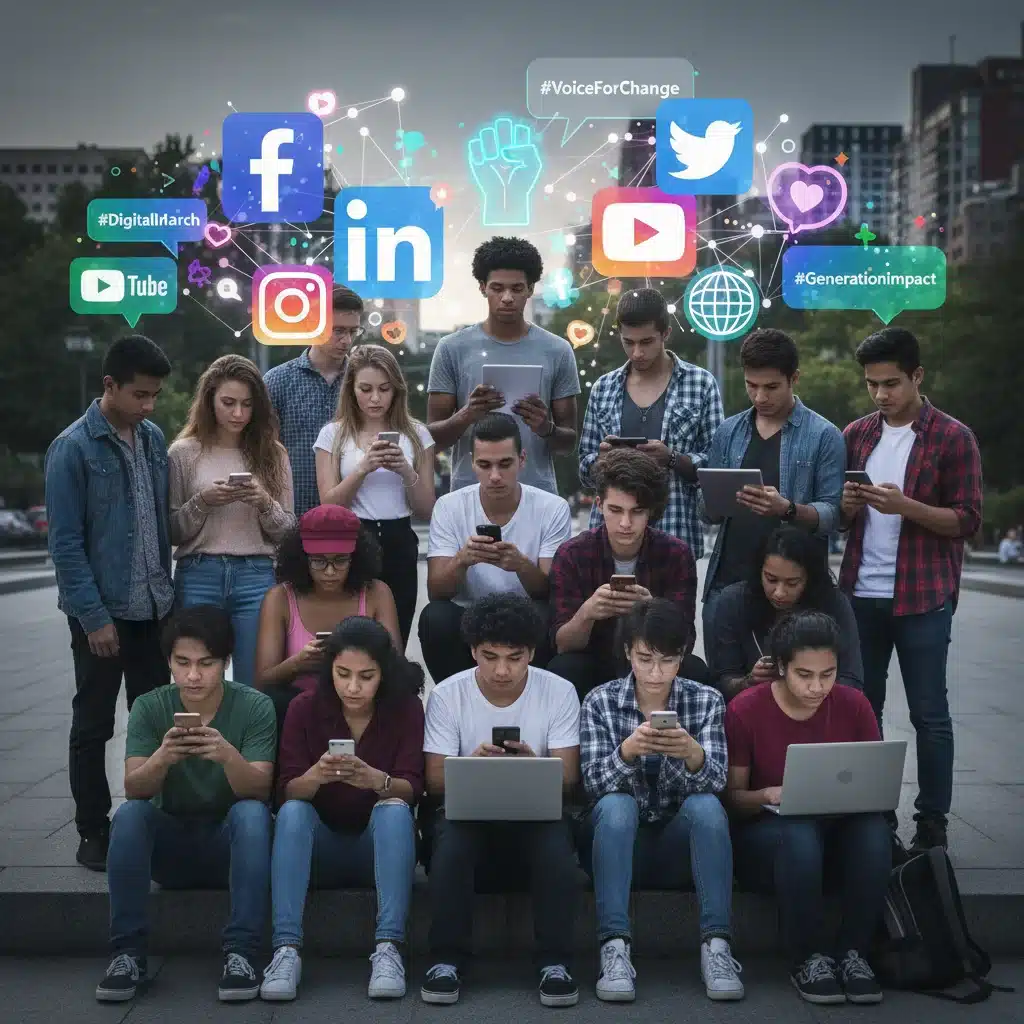
The defining characteristic of Gen Z Politics is undoubtedly its heavy reliance on digital activism. For this generation, the internet is not merely a communication tool; it is a primary arena for political discourse, organization, and mobilization. Social media platforms like TikTok, Instagram, Twitter (now X), and YouTube serve as virtual town halls, protest grounds, and educational hubs. They are adept at crafting compelling narratives, disseminating information rapidly, and leveraging algorithms to amplify their messages to a global audience. This digital fluency allows them to bypass traditional media gatekeepers and directly engage with their peers, policymakers, and the public.
Digital activism for Gen Z takes many forms. It includes signing online petitions, participating in viral challenges that raise awareness for causes, organizing virtual protests, creating and sharing educational content (often in easily digestible formats like infographics or short videos), and directly engaging with elected officials and public figures through their social media channels. They are masters of the ‘call to action,’ converting online engagement into real-world impact, whether it’s encouraging voter registration, fundraising for causes, or coordinating physical demonstrations. The speed at which information and movements can spread through these networks is unprecedented, allowing for rapid response to current events and emergent issues.
One key aspect of their digital strategy is the democratization of information and advocacy. Anyone with a smartphone and internet access can become a content creator, an organizer, or an influential voice. This decentralized model contrasts sharply with traditional political organizing, which often relies on established hierarchies and institutions. While this can sometimes lead to misinformation or fleeting trends, it also fosters a highly inclusive environment where diverse voices can emerge and contribute to the political conversation. They are skilled at fact-checking, cross-referencing information, and calling out hypocrisy, often holding public figures and corporations accountable in real-time.
Furthermore, digital activism allows for sustained engagement. Unlike a one-off protest, online campaigns can evolve, adapt, and maintain momentum over extended periods. Discussions can continue, new information can be shared, and strategies can be refined collaboratively. This continuous feedback loop fosters a sense of community and collective purpose, reinforcing their commitment to their chosen causes. The ability to connect with like-minded individuals across geographical boundaries also strengthens their movements, transforming local concerns into national or even global campaigns.
The Bridge Between Digital and Physical: Real-World Impact
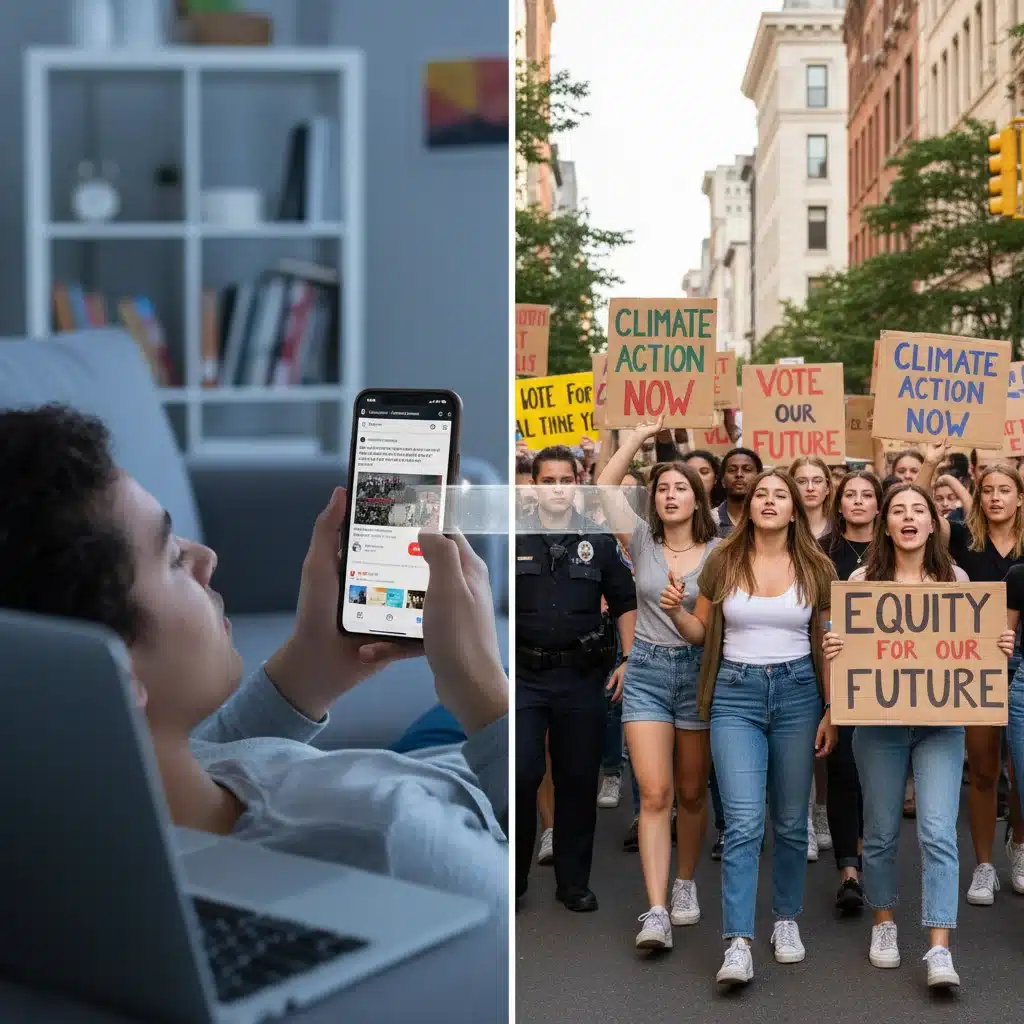
While digital activism is a cornerstone of Gen Z Politics, it is crucial to recognize that their online engagement is not isolated from real-world action. In fact, for Gen Z, the digital realm often serves as a powerful springboard for physical mobilization and tangible political outcomes. The transition from online awareness to offline action is seamless and strategic. Social media campaigns often culminate in organized protests, voter registration drives, or direct lobbying efforts. The viral spread of a hashtag can quickly translate into thousands of people showing up for a march or contacting their representatives.
The Black Lives Matter movement, climate strikes, and gun control advocacy are prime examples where Gen Z’s digital prowess effectively translated into significant real-world impact. Online discussions, personal narratives, and calls for justice galvanized millions, leading to widespread protests, policy debates, and even legislative changes. This generation understands that while digital engagement can raise awareness and build solidarity, sustained pressure and direct action are often necessary to achieve systemic change. They are not content with merely expressing opinions; they demand tangible results.
Moreover, Gen Z’s digital literacy extends to understanding the electoral process and the importance of voting. While they may express skepticism towards traditional political parties, they are increasingly recognizing the power of the ballot box as a means to effect change. Digital platforms are used to share voter registration information, educate peers on candidates’ stances, and even coordinate rides to polling stations. Campaigns targeting Gen Z Politics often leverage influencers and peer-to-peer networks to encourage civic participation, understanding that trusted voices are more effective than traditional political advertisements.
Their impact is also felt in policy advocacy beyond elections. Through targeted online campaigns, they pressure corporations to adopt more ethical practices, demand accountability from public institutions, and influence public opinion on critical issues. Their ability to quickly identify and amplify injustices, often through user-generated content, can force mainstream media and policymakers to address issues they might otherwise overlook. This proactive and persistent engagement demonstrates a deep commitment to shaping the world around them, not just observing it.
Projected Impact on U.S. Policy Towards 2026
As we approach the 2026 U.S. elections and look further into the decade, the influence of Gen Z Politics on policy is expected to become even more pronounced. Their sheer demographic size, combined with their increasing political maturity, positions them as a formidable voting bloc and advocacy force. Issues that resonate deeply with Gen Z are likely to rise higher on the national agenda, forcing candidates and parties to adapt their platforms and rhetoric to appeal to this critical demographic.
Key Policy Areas of Influence:
- Climate Change and Environmental Justice: This is arguably the most unifying issue for Gen Z. They view climate change as an existential threat requiring urgent and comprehensive action. Expect continued pressure for policies promoting renewable energy, sustainable practices, carbon reduction, and environmental justice initiatives that address the disproportionate impact of pollution on marginalized communities. Their activism will push for more aggressive targets and accountability from both government and corporations.
- Social Justice and Equity: Building on their diverse experiences, Gen Z will continue to advocate for policies that address systemic inequalities. This includes criminal justice reform, LGBTQ+ rights, racial equity, and gender equality. Their influence will push for legislation that promotes inclusivity, dismantles discriminatory practices, and ensures equitable access to opportunities for all.
- Economic Justice and Opportunity: Having witnessed economic instability and rising costs of living, Gen Z is highly attuned to issues of economic fairness. They are likely to advocate for policies related to affordable education (including student loan debt relief), livable wages, access to affordable healthcare, and wealth redistribution. Their focus will be on creating an economy that works for everyone, not just a select few.
- Gun Control: As the generation that has grown up with pervasive school shootings, gun control remains a deeply personal and urgent issue for many within Gen Z. Their activism will continue to push for stricter gun laws, including universal background checks, bans on assault weapons, and red flag laws. This will remain a significant point of contention and a key driver of their electoral decisions.
- Mental Health Awareness and Access: Gen Z is also notable for its open discussion and advocacy for mental health. They are more likely to seek help and demand better access to mental healthcare services. Expect their influence to lead to increased funding for mental health initiatives, integration of mental health support in schools and workplaces, and a reduction in the stigma surrounding mental illness.
The electoral strategies of political parties will inevitably evolve to better engage with Gen Z Politics. This will mean a greater emphasis on digital campaigning, authentic communication, and a willingness to address the issues that matter most to this generation. Candidates who fail to connect with Gen Z on their terms, or who dismiss their concerns, risk alienating a significant portion of the future electorate.

Challenges and Criticisms of Gen Z’s Approach
While the power of Gen Z Politics and digital activism is undeniable, it is not without its challenges and criticisms. One common critique revolves around the potential for ‘slacktivism’ or ‘performative activism,’ where online engagement does not translate into meaningful real-world action. While many Gen Z activists are highly effective, the sheer volume of online content can sometimes dilute the impact of genuine advocacy or lead to a false sense of accomplishment without tangible outcomes.
Another challenge lies in the echo chambers created by social media algorithms. While these platforms can amplify messages, they can also reinforce existing biases and limit exposure to diverse viewpoints. This can sometimes lead to polarization and a lack of nuanced understanding of complex political issues. The rapid pace of online discourse can also make it difficult for sustained, in-depth discussions, sometimes favoring soundbites and viral moments over comprehensive policy debates.
Furthermore, the decentralized nature of digital activism, while empowering, can also make it difficult to build lasting political organizations or achieve sustained legislative victories. Movements can be highly reactive to current events, but maintaining long-term momentum and translating enthusiasm into concrete policy changes requires strategic planning, coalition-building, and engagement with traditional political structures – areas where Gen Z is still learning and evolving.
There is also the risk of burnout. The constant exposure to global crises and the pressure to be perpetually ‘woke’ and engaged can take a toll on mental health. Maintaining activism over years requires resilience and sustainable strategies, which is a growing concern for this highly sensitive generation. Despite these challenges, Gen Z is actively learning and adapting, continuously refining their methods to maximize their impact and overcome these hurdles.
The Future of Civic Participation: Gen Z’s Enduring Legacy
Looking ahead, Gen Z Politics is not just a temporary phenomenon but a harbinger of a new era in civic participation. Their comfort with digital tools, their commitment to social justice, and their willingness to challenge the status quo are fundamentally reshaping how politics is conducted and how policy is influenced. They are forcing institutions, from government bodies to corporations, to be more transparent, accountable, and responsive to the needs of a diverse populace.
The 2026 elections will serve as a significant barometer of their growing influence. As more Gen Z individuals reach voting age and become established in their careers, their collective power will only grow. Their approach to activism, characterized by intersectionality, digital fluency, and a demand for tangible results, will continue to push the boundaries of traditional political engagement. They are not just participating in politics; they are redefining it.
For policymakers, understanding Gen Z means more than just acknowledging their presence; it means genuinely engaging with their concerns, adapting communication strategies, and being prepared to address issues with the urgency and intersectional lens that this generation demands. Ignoring the voices of Gen Z would be a grave miscalculation, as their passion, creativity, and sheer numbers promise to be a dominant force in shaping the future of U.S. policy for decades to come.
In conclusion, Gen Z Politics represents a dynamic and evolving force in the American political landscape. Their digital activism is not a superficial trend but a deeply ingrained methodology for enacting change. As we move towards 2026 and beyond, their impact on U.S. policy will be profound, driving conversations and legislative action on issues ranging from climate change to social justice. Their legacy will be one of reimagined civic participation, where the boundaries between online and offline activism blur, and where every individual has the potential to contribute to a more equitable and just society.