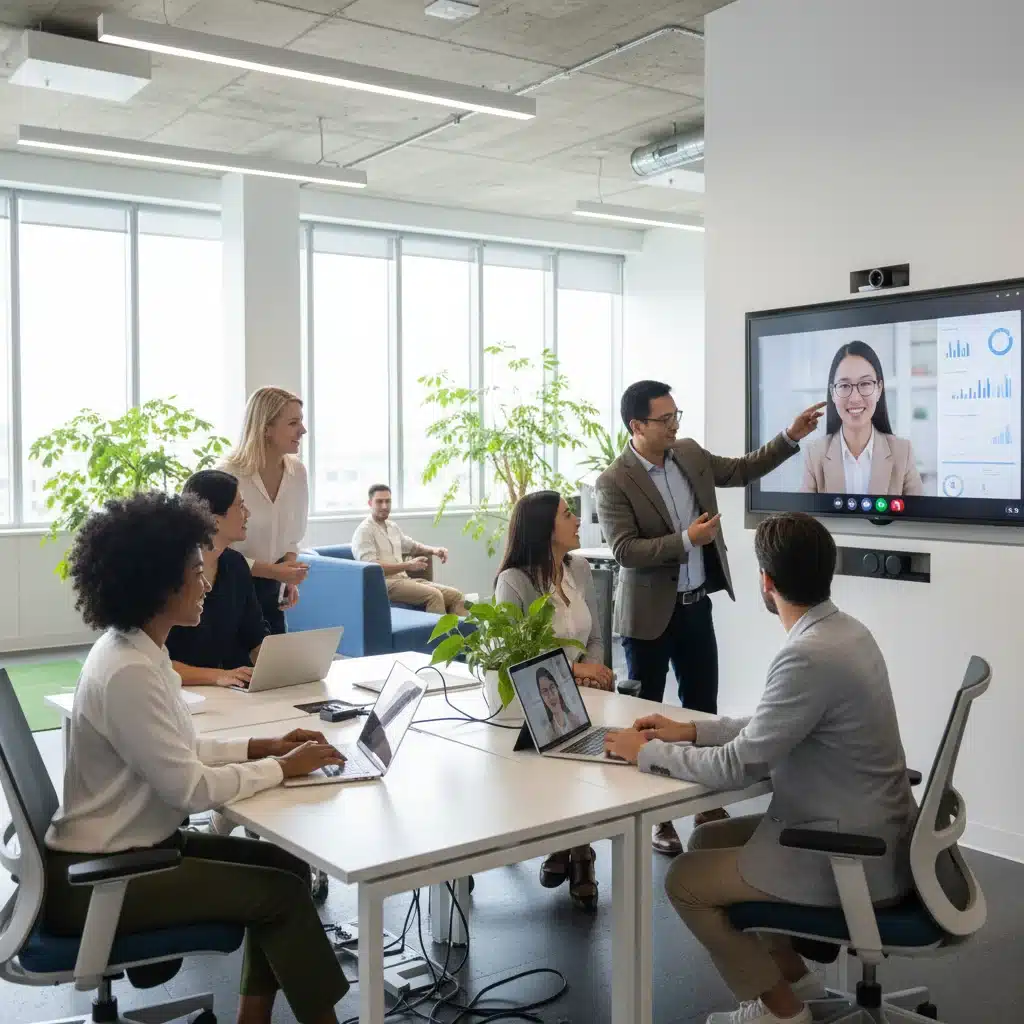
The Future of Remote Work in the U.S.: 3 Practical Solutions for Companies Adapting to Permanent Hybrid Models by 2026
The landscape of work has irrevocably changed. What began as a necessity during a global pandemic has rapidly evolved into a preferred, and often expected, mode of operation for a significant portion of the workforce. By 2026, the notion of a purely office-centric or fully remote workforce will likely be a relic of the past for many U.S. companies. Instead, the hybrid work solutions model, blending in-office collaboration with remote flexibility, is poised to become the dominant paradigm.
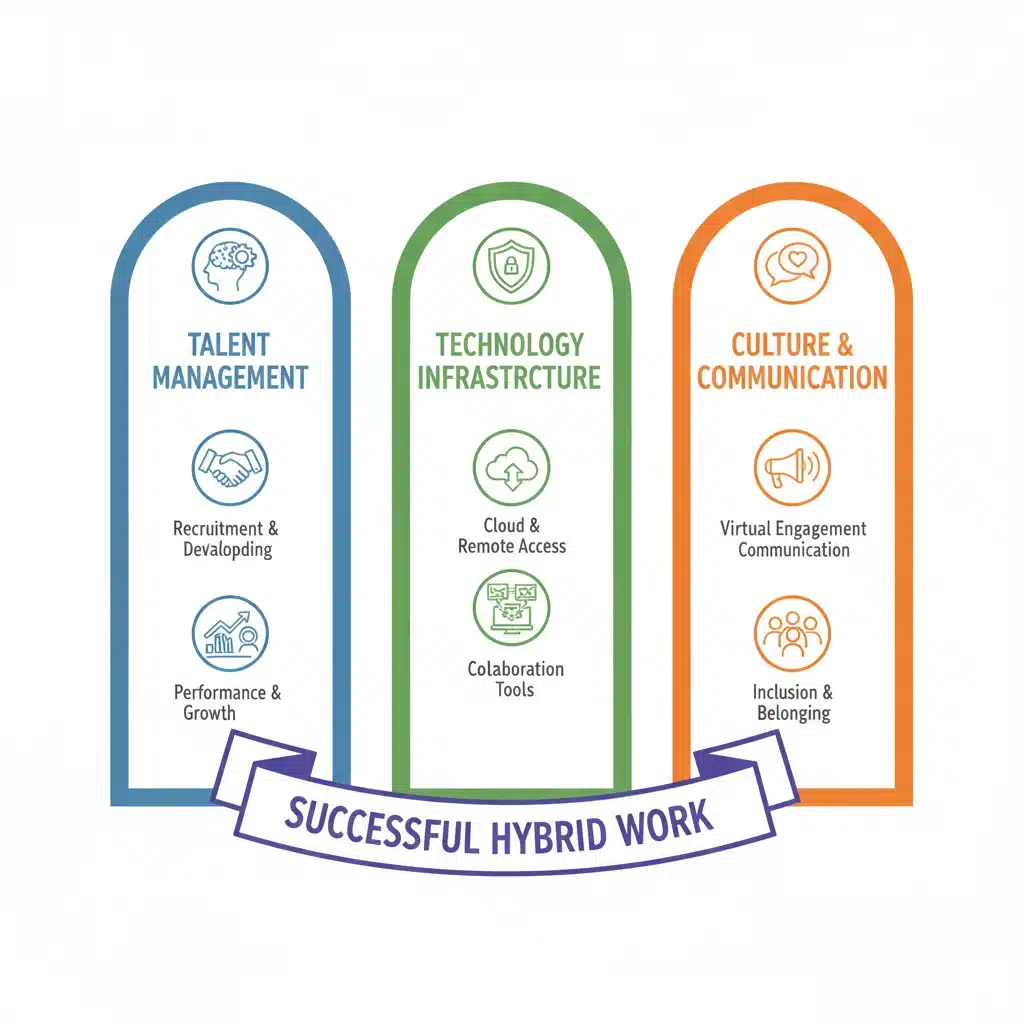
This isn’t just a trend; it’s a fundamental shift demanding proactive and strategic adaptation from businesses across all sectors. Companies that fail to embrace and effectively implement hybrid work solutions risk losing top talent, stifling innovation, and falling behind competitors. The stakes are high, and the time to prepare is now. This comprehensive guide will delve into three practical solutions that U.S. companies must adopt to successfully navigate and thrive within this evolving work environment by 2026.
We’ll explore how to strategically manage talent, leverage cutting-edge technology, and cultivate a robust company culture that not only accommodates but celebrates the nuances of a hybrid workforce. Our focus is on actionable insights and sustainable strategies that will position your organization for long-term success in this new era of work.
Understanding the Hybrid Work Imperative: Why Adapt Now?
Before diving into the solutions, it’s crucial to grasp the underlying forces driving this shift. The COVID-19 pandemic served as an unprecedented global experiment in remote work, demonstrating its feasibility and, in many cases, its benefits. Employees reported increased productivity, improved work-life balance, and a desire for continued flexibility. Employers, in turn, recognized opportunities for reduced overhead, access to a wider talent pool, and enhanced employee satisfaction.
However, the initial rush to remote work also exposed challenges: maintaining company culture, ensuring equitable opportunities, and managing distributed teams effectively. The hybrid model emerges as a pragmatic middle ground, seeking to harness the advantages of both in-person and remote work while mitigating their respective drawbacks. For U.S. companies, embracing hybrid work solutions is no longer optional; it’s a strategic imperative for several reasons:
- Talent Attraction and Retention: A significant majority of professionals now expect some form of remote or hybrid option. Companies that don’t offer this risk being overlooked by top talent and struggling to retain their current high-performers. The war for talent is intensifying, and flexibility is a key battleground.
- Increased Productivity and Engagement: When implemented thoughtfully, hybrid models can lead to higher employee engagement and productivity. Employees feel trusted and empowered, leading to greater job satisfaction and a stronger commitment to their work.
- Enhanced Resilience and Business Continuity: A distributed workforce inherently builds greater resilience into an organization. Should unforeseen circumstances arise (e.g., natural disasters, public health crises), operations can continue with minimal disruption.
- Cost Savings: While not the primary driver, reducing office footprint and associated costs can be a significant benefit of effective hybrid work solutions.
- Diversity and Inclusion: Hybrid models can open doors to a more diverse talent pool, allowing companies to recruit individuals regardless of geographical location or personal circumstances that might preclude a daily commute.
The transition to a permanent hybrid model is not without its complexities. It requires a fundamental rethinking of traditional management practices, technology infrastructure, and organizational culture. But with the right strategies, companies can transform these challenges into opportunities for growth and innovation.
Practical Solution 1: Reimagining Talent Management and Employee Experience
At the heart of any successful hybrid model are the people. Adapting to hybrid work solutions requires a complete overhaul of how companies attract, develop, and retain talent. This involves more than just offering flexibility; it’s about creating an equitable and engaging experience for all employees, regardless of their physical location.
A. Developing Hybrid-First Leadership and Management Skills
Traditional management styles often rely on proximity and direct observation. In a hybrid environment, managers must pivot to a results-oriented approach, focusing on outcomes rather than hours spent at a desk. This necessitates a new set of leadership skills:
- Empathy and Trust: Leaders must build trust proactively, demonstrating empathy for the diverse personal circumstances of their team members. This involves understanding the challenges and benefits of both in-office and remote work.
- Clear Communication: Over-communication becomes key. Managers need to set clear expectations, provide regular feedback, and ensure all team members are equally informed, irrespective of their location.
- Performance Management: Shifting to objective-based performance metrics rather than subjective presence. This requires well-defined KPIs and regular check-ins to monitor progress and provide support.
- Facilitating Inclusion: Actively working to prevent the formation of “in-groups” and “out-groups.” Managers must ensure remote employees have equal access to information, opportunities, and informal interactions.
Companies should invest in comprehensive training programs for their managers, equipping them with the tools and mindsets necessary to lead effectively in a hybrid setting. This is a foundational element for successful hybrid work solutions.
B. Equitable Career Development and Onboarding
One of the biggest risks in a hybrid model is creating a two-tiered system where remote employees feel overlooked for promotions, mentorship, or development opportunities. To combat this:
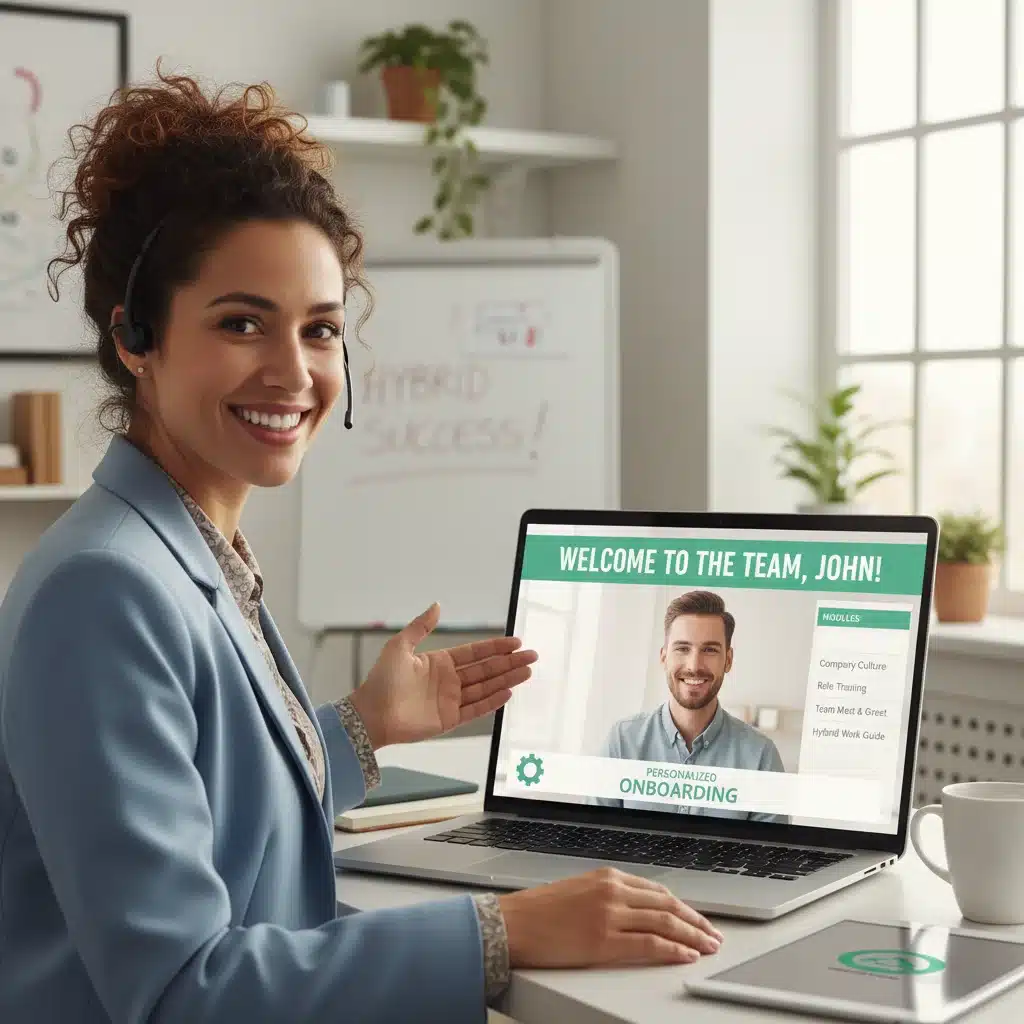
- Standardized Onboarding: Develop a robust, hybrid-first onboarding program that ensures new hires, whether remote or in-office, receive the same comprehensive introduction to the company, its culture, and their roles. This should include virtual meet-and-greets, digital resource hubs, and dedicated mentors.
- Accessible Development: All professional development programs, training sessions, and mentorship opportunities must be accessible to both in-office and remote employees. This might mean offering virtual options, recorded sessions, or flexible scheduling.
- Transparent Promotion Paths: Clearly articulate career progression paths and ensure that performance evaluations and promotion decisions are based on objective contributions, not physical presence.
- Mentorship and Sponsorship: Actively facilitate mentorship and sponsorship relationships across the entire workforce, ensuring remote employees are not excluded from these vital career-building connections.
C. Prioritizing Employee Well-being and Flexibility
The flexibility offered by hybrid work can be a double-edged sword. While beneficial, it can also blur the lines between work and personal life, leading to burnout. Companies must proactively address employee well-being as part of their hybrid work solutions:
- Flexible Work Schedules: Go beyond just location flexibility. Empower employees to adjust their work hours to better suit their personal needs, within reason and team requirements.
- Mental Health Resources: Provide accessible mental health support, resources, and education. Encourage breaks and discourage an “always-on” culture.
- Digital Detox Initiatives: Implement policies that encourage employees to disconnect after hours, such as discouraging emails outside of working hours or establishing “no meeting” blocks.
- Ergonomic Support: Offer support for creating ergonomic home workspaces, whether through stipends for equipment or resources on healthy remote work habits.
Practical Solution 2: Fortifying Technology Infrastructure and Digital Workflows
Technology is the backbone of any successful hybrid work model. Without a robust, secure, and user-friendly digital infrastructure, hybrid work solutions will falter. Companies must invest strategically in tools and systems that enable seamless collaboration, communication, and productivity for all employees, regardless of their location.
A. Unified Communication and Collaboration Platforms
The proliferation of disparate tools can lead to fragmentation and inefficiency. A core component of effective hybrid work solutions is adopting a unified platform for communication and collaboration:
- Integrated Suites: Invest in comprehensive suites (e.g., Microsoft 365, Google Workspace, Slack/Zoom integrations) that offer chat, video conferencing, file sharing, and project management capabilities in one ecosystem.
- High-Quality Video Conferencing: Ensure reliable, high-definition video conferencing tools are available and that meeting rooms are equipped with appropriate technology (cameras, microphones, screens) to make remote participants feel equally present.
- Asynchronous Communication Tools: While real-time communication is important, asynchronous tools (e.g., project management software with comment features, shared documentation platforms) are crucial for distributed teams to work efficiently across different time zones and schedules.
- Digital Whiteboards and Brainstorming Tools: Replicate in-person brainstorming sessions with digital whiteboards and collaborative drawing tools that allow all participants to contribute simultaneously.
Training employees on how to effectively use these tools is just as important as the tools themselves. Establish best practices for virtual meetings, digital etiquette, and information sharing.
B. Robust Cybersecurity and Data Protection
Expanding the work perimeter to include home networks significantly increases an organization’s cybersecurity risk. Protecting sensitive data and systems is paramount for sustainable hybrid work solutions:
- Virtual Private Networks (VPNs): Implement mandatory VPN usage for all remote access to company networks and resources.
- Multi-Factor Authentication (MFA): Enforce MFA across all company applications and systems to add an extra layer of security beyond just passwords.
- Endpoint Security: Ensure all company-issued devices (laptops, mobile phones) have up-to-date antivirus software, firewalls, and endpoint detection and response (EDR) solutions.
- Regular Security Training: Conduct frequent and mandatory cybersecurity awareness training for all employees, covering topics like phishing, social engineering, and safe browsing habits.
- Data Loss Prevention (DLP): Implement DLP strategies to prevent sensitive information from leaving the company network, whether intentionally or accidentally.
- Cloud Security: For cloud-based applications, ensure robust cloud security measures are in place, including access controls, encryption, and regular security audits.
C. Optimized Digital Workflows and Process Automation
Manual, paper-based processes are antithetical to effective hybrid work. Companies must digitize and automate workflows wherever possible to ensure efficiency and accessibility:
- Cloud-Based Document Management: Transition all critical documents and files to secure, cloud-based platforms that allow for real-time collaboration and version control.
- E-Signatures and Digital Forms: Eliminate the need for physical signatures and paper forms by adopting legally compliant e-signature solutions and digital forms for HR, finance, and other departmental processes.
- Workflow Automation Tools: Utilize tools that automate repetitive tasks, such as approvals, data entry, and report generation, freeing up employees to focus on more strategic work.
- Self-Service Portals: Provide employees with self-service portals for HR, IT support, and other administrative tasks, reducing reliance on in-person interactions.
By streamlining these digital processes, companies can ensure that both in-office and remote employees can access necessary information and complete tasks efficiently, supporting robust hybrid work solutions.
Practical Solution 3: Cultivating an Inclusive and Adaptable Company Culture
Perhaps the most challenging, yet most crucial, aspect of adopting permanent hybrid work solutions is fostering a cohesive and inclusive company culture. Culture is the glue that holds an organization together, and it needs to be intentionally designed for a hybrid environment to prevent fragmentation and maintain a sense of belonging.
A. Intentional Culture Building for Distributed Teams
Company culture can no longer rely solely on serendipitous hallway conversations or shared office lunches. It requires deliberate effort to knit together a distributed workforce:
- Define Hybrid Values: Clearly articulate the values that underpin your hybrid culture. What does collaboration look like now? How do you celebrate success? How do you support each other?
- Regular Virtual and In-Person Gatherings: Plan a mix of virtual and in-person events. Virtual events can range from informal coffee breaks to team-building games. In-person gatherings (e.g., quarterly team retreats, annual company summits) are vital for fostering deeper connections.
- Promote Psychological Safety: Create an environment where all employees feel safe to voice ideas, ask questions, and make mistakes, irrespective of their location. Encourage vulnerability and open dialogue.
- Recognize and Celebrate Success: Implement mechanisms for celebrating individual and team achievements that are visible and accessible to everyone, whether they are in the office or working remotely.
The goal is to create a culture where every employee feels seen, valued, and connected to the company’s mission and their colleagues.
B. Ensuring Equity and Inclusivity in a Hybrid Setup
Preventing a “two-class system” – where in-office employees receive more attention or opportunities than their remote counterparts – is critical for the long-term success of hybrid work solutions:
- Meeting Equity: Design meetings to be hybrid-first. This means ensuring that remote participants have equal visibility, audio quality, and opportunities to contribute. Use collaboration tools that allow for simultaneous input from all attendees.
- Information Parity: All critical information, updates, and announcements should be communicated through channels accessible to everyone (e.g., shared digital platforms, recorded town halls), rather than relying on informal office chatter.
- Fair Resource Allocation: Ensure that resources, such as access to technology, professional development budgets, and support services, are equitably distributed to both in-office and remote employees.
- Feedback Mechanisms: Establish clear channels for all employees to provide feedback on their hybrid experience, allowing the company to identify and address potential inequities promptly.
C. Designing Flexible and Purpose-Driven Office Spaces
The role of the physical office fundamentally changes in a hybrid model. It transforms from a daily workspace into a hub for collaboration, innovation, and connection. This requires thoughtful redesign:
- Collaboration Zones: Create dedicated spaces for team collaboration, brainstorming, and project work, equipped with advanced video conferencing technology.
- Focus Pods: Offer quiet zones or individual pods for concentrated work, acknowledging that some employees may come to the office specifically for focused tasks away from home distractions.
- Social Hubs: Design inviting social areas that encourage informal interactions and relationship building among colleagues.
- Hot-Desking and Booking Systems: Implement efficient hot-desking systems and desk booking software to manage office capacity and ensure employees have a comfortable workspace when they choose to come in.
- Technology Integration: Ensure every meeting room and collaborative space is fully equipped with technology that supports seamless interaction between in-person and remote participants, reinforcing the value of hybrid work solutions.
The office should become a destination that offers unique benefits not easily replicated at home, thereby encouraging purposeful visits and maximizing the value of in-person time.
Overcoming Challenges and Measuring Success
Implementing these hybrid work solutions is not a one-time project but an ongoing journey. Companies will undoubtedly face challenges along the way, including:
- Resistance to Change: Some employees or managers may be resistant to new ways of working. Clear communication, training, and demonstrating the benefits are crucial.
- Technology Glitches: Technical issues can disrupt productivity and morale. Regular maintenance, robust IT support, and reliable infrastructure are essential.
- Maintaining Connection: Preventing isolation among remote workers and ensuring team cohesion requires continuous effort and creative solutions.
- Fairness and Equity: Consistently monitoring for and addressing any perceived or actual inequities between in-office and remote employees.
To measure the success of their hybrid work solutions, companies should track key metrics:
- Employee Engagement: Regular surveys to gauge satisfaction, sense of belonging, and perceptions of fairness.
- Productivity Metrics: Track project completion rates, individual output, and overall team performance.
- Talent Acquisition and Retention: Monitor recruitment success rates for hybrid roles and employee turnover, especially among remote staff.
- Office Utilization: Analyze office attendance patterns to inform future space planning.
- Well-being Indicators: Look at stress levels, burnout rates, and utilization of well-being resources.
Regularly collecting and analyzing this data will allow companies to iterate, refine, and continuously improve their hybrid model, ensuring it remains effective and supportive for all employees.
The Future is Hybrid: A Strategic Imperative
By 2026, the companies that thrive in the U.S. will be those that have successfully adapted to permanent hybrid work models. This adaptation is not merely about offering flexibility; it’s about a holistic transformation of how organizations operate. The three practical solutions outlined—reimagining talent management, fortifying technology infrastructure, and cultivating an inclusive culture—form the bedrock of this transformation.
Embracing hybrid work solutions offers a wealth of opportunities: access to a broader talent pool, increased employee satisfaction and productivity, enhanced resilience, and potential cost efficiencies. However, realizing these benefits requires intentional effort, strategic investment, and a commitment to continuous learning and adaptation.
Companies that proactively address these areas will not only attract and retain the best talent but will also foster a dynamic, innovative, and resilient workforce prepared for the challenges and opportunities of the future. The time for deliberation is over; the time for strategic action on hybrid work solutions is now. The future of work is hybrid, and those who lead the way will reap the rewards.