Analog Hobbies Resurgence: Vinyl’s 10% Growth and US Culture Impact
The Analog Hobbies Revival: Why Vinyl Sales Grew by 10% and Its Cultural Resonance in the US
In an age dominated by digital streams, instant gratification, and ephemeral content, a fascinating counter-movement is taking hold across the United States. We are witnessing a significant analog hobbies revival, a return to the tangible, the deliberate, and the enduring. This trend is perhaps best exemplified by the remarkable 10% growth in vinyl sales over the past year, a statistic that not only defies the digital tide but also signals a deeper cultural shift. This isn’t merely about nostalgia; it’s about a conscious choice for a richer, more engaging experience. From the crackle of a freshly dropped needle on a record to the intricate process of developing film, analog hobbies are offering a much-needed antidote to the digital fatigue prevalent in modern society.
The allure of the analog is multifaceted. It speaks to our senses in a way digital often cannot. The warmth of a vinyl record, the distinct smell of a darkroom, the texture of a hand-knitted garment – these are experiences that engage us on a physical and emotional level. This article will delve into the various dimensions of this analog hobbies revival, exploring the underlying reasons for its ascent, its profound impact on US culture, and what this enduring trend means for our future.
We will examine the economic drivers behind vinyl’s impressive sales figures, dissect the psychological comfort derived from these tactile pursuits, and analyze the sociological implications of a generation rediscovering the joys of slowness and intentionality. Beyond vinyl, we’ll touch upon other analog realms experiencing a similar renaissance, from film photography to board games, and even traditional crafts. By understanding this movement, we gain insight into evolving consumer preferences, the search for authenticity, and the human desire for connection in an increasingly disconnected world.
The Resurgence of Vinyl: More Than Just a Trend
The 10% increase in vinyl sales isn’t just a blip on the radar; it’s a sustained phenomenon that has been building momentum for over a decade. Once considered an obsolete format, relegated to dusty attics and niche collectors, vinyl records have staged a spectacular comeback. This resurgence is not solely driven by older generations revisiting their youth; a significant portion of new vinyl buyers are younger demographics who have grown up in a purely digital music landscape. For them, vinyl offers something novel and exciting, a departure from the endless, intangible playlists of streaming services.
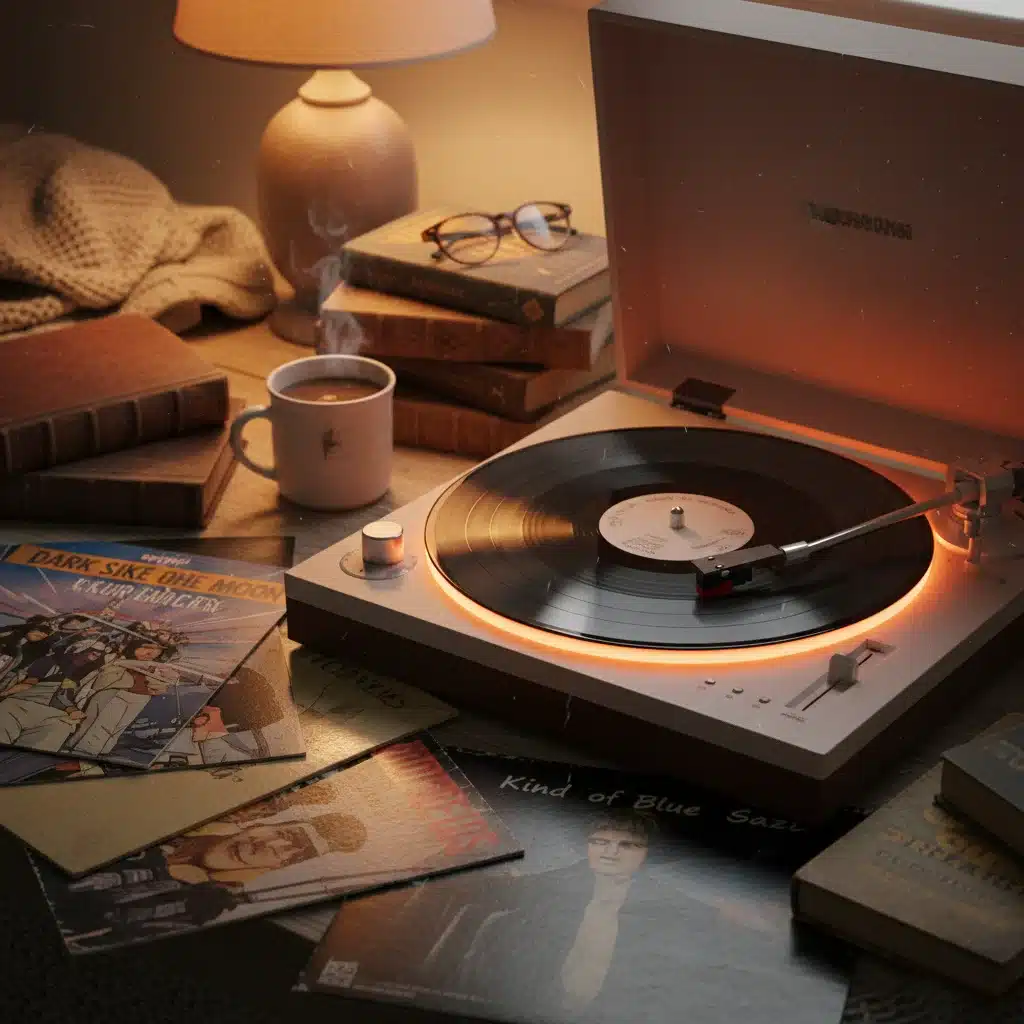
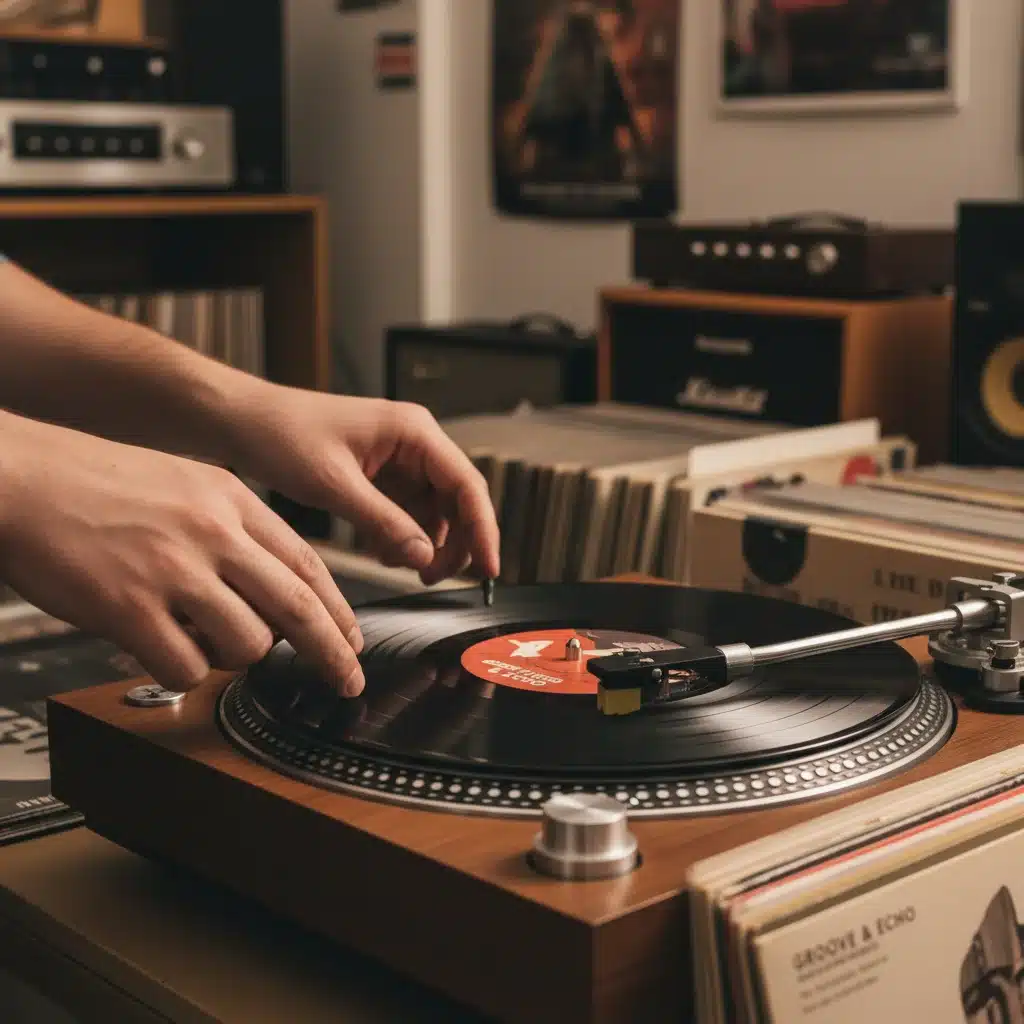
One of the primary drivers of this growth is the tangible experience. Holding an album, admiring the artwork, reading the liner notes – these are integral parts of the music consumption ritual that streaming simply cannot replicate. The act of selecting a record, carefully placing it on the turntable, and dropping the needle is a deliberate, almost meditative process that forces listeners to engage more deeply with the music. It’s a commitment to an album, rather than a casual skip through tracks. This intentionality fosters a stronger emotional connection to the art itself.
Furthermore, vinyl offers a perceived superior audio quality for many enthusiasts. While debates rage about the true sonic advantages of analog over high-resolution digital, the ‘warmth’ and ‘richness’ often attributed to vinyl are powerful selling points. This subjective experience of sound contributes significantly to the format’s appeal, turning listening into an immersive event rather than background noise. The pursuit of this perceived fidelity is a key component of the analog hobbies revival, extending beyond just music.
Economically, the vinyl market has matured. Record labels are pressing more new releases on vinyl, often with deluxe packaging and limited editions, catering to collectors and enthusiasts. Independent record stores have flourished, becoming cultural hubs where communities gather, discover new music, and connect over shared passions. Urban centers and even smaller towns are seeing new record shops open, testament to the format’s commercial viability and cultural significance. This ecosystem of production, distribution, and retail reinforces the trend, making vinyl more accessible and desirable than ever before.
Beyond the Grooves: The Psychology of Analog Appeal
Why are people gravitating towards analog experiences when digital alternatives are often cheaper, faster, and more convenient? The answer lies deep within human psychology. In a world saturated with digital distractions, constant notifications, and the pressure of always being ‘on,’ analog hobbies offer a much-needed respite. They provide a sense of mindfulness, a chance to slow down and engage with a single task without interruption.
The tactile nature of analog is incredibly satisfying. The feel of paper, the weight of a camera, the physical interaction with an object – these sensory inputs are often missing from digital interactions. This tactile engagement can be deeply grounding, helping to reduce stress and foster a sense of presence. For instance, developing film in a darkroom is a chemical and physical process that requires patience and precision, yielding a tangible result that digital photography, for all its convenience, cannot replicate in experience.
Moreover, analog hobbies often involve a degree of mastery and skill that is inherently rewarding. Learning to knit, to play a musical instrument, or to bake bread from scratch provides a sense of accomplishment that can be elusive in a world of instant gratification. The process itself becomes as important as the outcome, fostering patience, perseverance, and a deeper appreciation for craftsmanship. This pursuit of mastery is a cornerstone of the broader analog hobbies revival.
There’s also a strong element of control. In the digital realm, we are often at the mercy of algorithms, updates, and external forces. With analog, the user is in command. You choose the record, you set the aperture, you mix the paint. This autonomy can be incredibly empowering, offering a sense of agency that many feel is diminished in their digital lives. This deliberate choice to engage with the physical world, to create, to repair, to collect, is a powerful psychological draw.
The Cultural Impact on US Society: Authenticity and Connection
The analog hobbies revival is not just a personal preference; it’s having a tangible impact on US culture. It’s fostering a renewed appreciation for authenticity, craftsmanship, and community. In an era of mass-produced, disposable goods, analog items often represent quality, durability, and a story. A well-maintained record player, a handcrafted piece of furniture, or a vintage camera carries a history and a character that generic digital devices often lack.
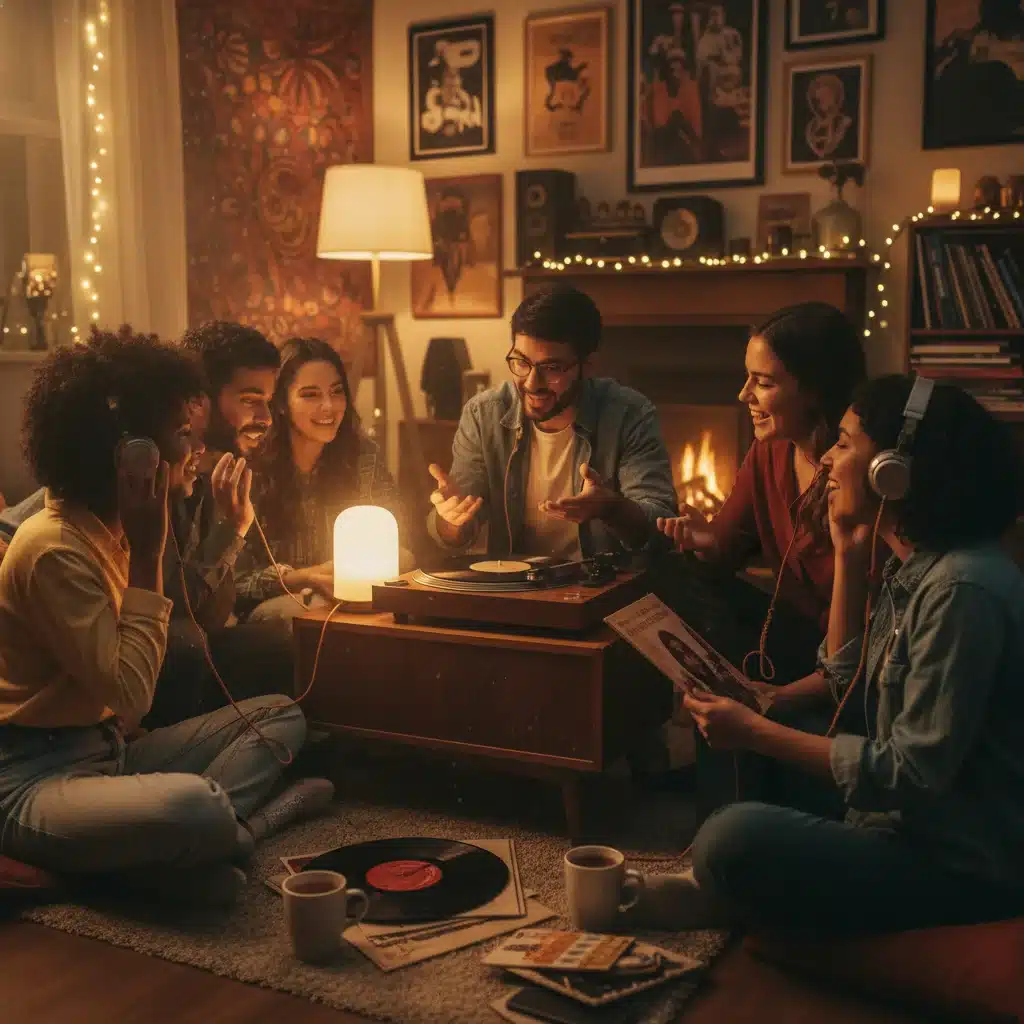
This pursuit of authenticity extends to how people connect. Record stores, craft fairs, and photography clubs are becoming vital community hubs. They offer spaces for people to gather, share knowledge, exchange ideas, and forge genuine connections based on shared interests. This contrasts sharply with the often-superficial interactions of social media, providing a deeper sense of belonging and camaraderie. The communal aspect of sharing analog experiences is a powerful antidote to digital isolation.
The aesthetic of analog is also influencing broader cultural trends. From interior design that incorporates vintage elements and warm textures to fashion that embraces timeless styles and natural materials, the analog ethos is bleeding into various aspects of modern life. There’s a conscious move away from sterile, minimalist digital aesthetics towards something more organic, lived-in, and human-centric. This aesthetic preference reflects a deeper desire for comfort, nostalgia, and a connection to the past.
Furthermore, the analog revival encourages a more sustainable mindset. Many analog items are built to last, designed to be repaired rather than replaced. Collecting vinyl, for instance, promotes a culture of care and preservation. This stands in stark contrast to the rapid obsolescence of many digital devices and the ‘fast fashion’ mentality that dominates some industries. By valuing longevity and repairability, analog enthusiasts are inadvertently contributing to a more environmentally conscious consumer culture, another significant aspect of the analog hobbies revival.
The Broader Spectrum of Analog Hobbies: Beyond Music
While vinyl records often take center stage in discussions about the analog hobbies revival, this movement encompasses a much wider array of pursuits. Many traditional crafts and practices are experiencing a similar surge in popularity, driven by the same desires for tangibility, mindfulness, and connection.
Film Photography: The Art of Deliberation
Just like vinyl, film photography has seen a remarkable comeback. Digital cameras offer instant feedback and endless shots, but film demands a slower, more deliberate approach. Each frame is precious, forcing photographers to think more carefully about composition, light, and subject. The anticipation of seeing developed negatives, the unique aesthetic qualities of different film stocks, and the hands-on process of darkroom printing all contribute to its enduring appeal. Analog photography schools and workshops are thriving, teaching new generations the art of patience and precision.
Board Games and Tabletop RPGs: Unplugging for Connection
In an age of online multiplayer video games, the humble board game has never been more popular. Modern board games offer complex strategies, rich narratives, and, crucially, face-to-face social interaction. Tabletop role-playing games (TTRPGs) like Dungeons & Dragons have also exploded in popularity, providing immersive storytelling experiences that foster creativity and collaboration. These activities are perfect examples of the analog hobbies revival, offering a break from screens and a direct pathway to human connection.
Traditional Crafts: The Joy of Making
Knitting, crocheting, pottery, woodworking, calligraphy, letterpress printing – these traditional crafts are attracting new enthusiasts eager to work with their hands and create something unique. DIY culture is thriving, fueled by online tutorials and local workshops. The satisfaction of transforming raw materials into a finished product, the meditative rhythm of repetitive movements, and the sense of pride in handmade items are powerful motivators. These crafts offer a tangible escape from the digital world, allowing individuals to engage in productive, creative, and fulfilling activities.
Reading Physical Books: A Timeless Pleasure
While e-readers offer convenience, the experience of reading a physical book remains unparalleled for many. The smell of paper, the feel of the binding, the act of turning pages, and the ability to easily flip back and forth all contribute to a different kind of reading experience. Physical bookstores, much like record stores, continue to be cherished cultural institutions, offering a curated selection and a welcoming atmosphere that e-commerce simply cannot replicate. The longevity of the physical book is a quiet testament to the enduring power of analog formats.
The Future of Analog in a Digital World
The analog hobbies revival is not about rejecting technology outright; rather, it’s about finding a balance. It’s about recognizing the unique value that analog experiences bring and integrating them thoughtfully into our digitally-driven lives. It’s about making conscious choices about how we spend our time, where we invest our energy, and what truly enriches our lives.
This trend suggests a growing discernment among consumers. People are becoming more aware of the trade-offs involved in purely digital consumption – the fleeting nature, the lack of tangibility, the potential for digital fatigue. They are actively seeking out experiences that offer depth, engagement, and a sense of grounding. This isn’t a temporary fad; it’s a fundamental shift in values, emphasizing quality over quantity, experience over efficiency, and connection over convenience.
For businesses, understanding this shift is crucial. It means recognizing the demand for premium, well-crafted analog products and experiences. It means fostering communities around these interests and providing platforms for learning and sharing. It means celebrating the art of making and the joy of ownership.
The continued growth of vinyl sales, alongside the resurgence of other analog pursuits, indicates that this movement is here to stay. It’s a testament to the enduring human need for sensory engagement, creative expression, and genuine connection. In a rapidly accelerating digital world, the deliberate slowness and tangible rewards of analog hobbies offer a vital counterpoint, enriching our lives and shaping the cultural landscape of the United States in profound and meaningful ways.
As we navigate an increasingly complex technological future, the lessons learned from the analog hobbies revival will be invaluable. They remind us of the simple yet profound pleasures of the physical world, the satisfaction of skilled craftsmanship, and the power of shared human experience. The crackle of a record, the click of a camera shutter, the warmth of a handmade item – these are more than just sounds and sensations; they are symbols of a deeper cultural yearning for authenticity and connection.
Conclusion: Embracing the Tangible in a Digital Age
The 10% growth in vinyl sales is a powerful indicator of a much larger cultural phenomenon: the analog hobbies revival. This movement is a response to the pervasive digital nature of modern life, offering a return to tangibility, intentionality, and genuine connection. From the ritual of playing a vinyl record to the meditative process of knitting or developing film, analog pursuits provide a much-needed antidote to digital fatigue and sensory overload.
This shift is driven by a combination of psychological needs – for mindfulness, control, and accomplishment – and cultural desires for authenticity, craftsmanship, and community. It’s impacting consumer behavior, fostering new business models, and shaping aesthetic preferences across the nation. The resurgence of physical media and traditional crafts is not merely an act of nostalgia but a forward-looking embrace of richer, more meaningful experiences.
As technology continues to advance, the value of analog experiences will likely only grow. They serve as a reminder of our fundamental human need to interact with the world in a physical, deliberate, and deeply satisfying way. The analog hobbies revival is a vibrant testament to the enduring power of the tangible, proving that in our quest for progress, sometimes looking back to embrace the old ways can lead to the most profound and enriching experiences of all. It’s a celebration of the human touch, the deliberate act, and the lasting joy found in the real, physical world.