Edge Computing Transforms US Manufacturing: 15% Efficiency Boost
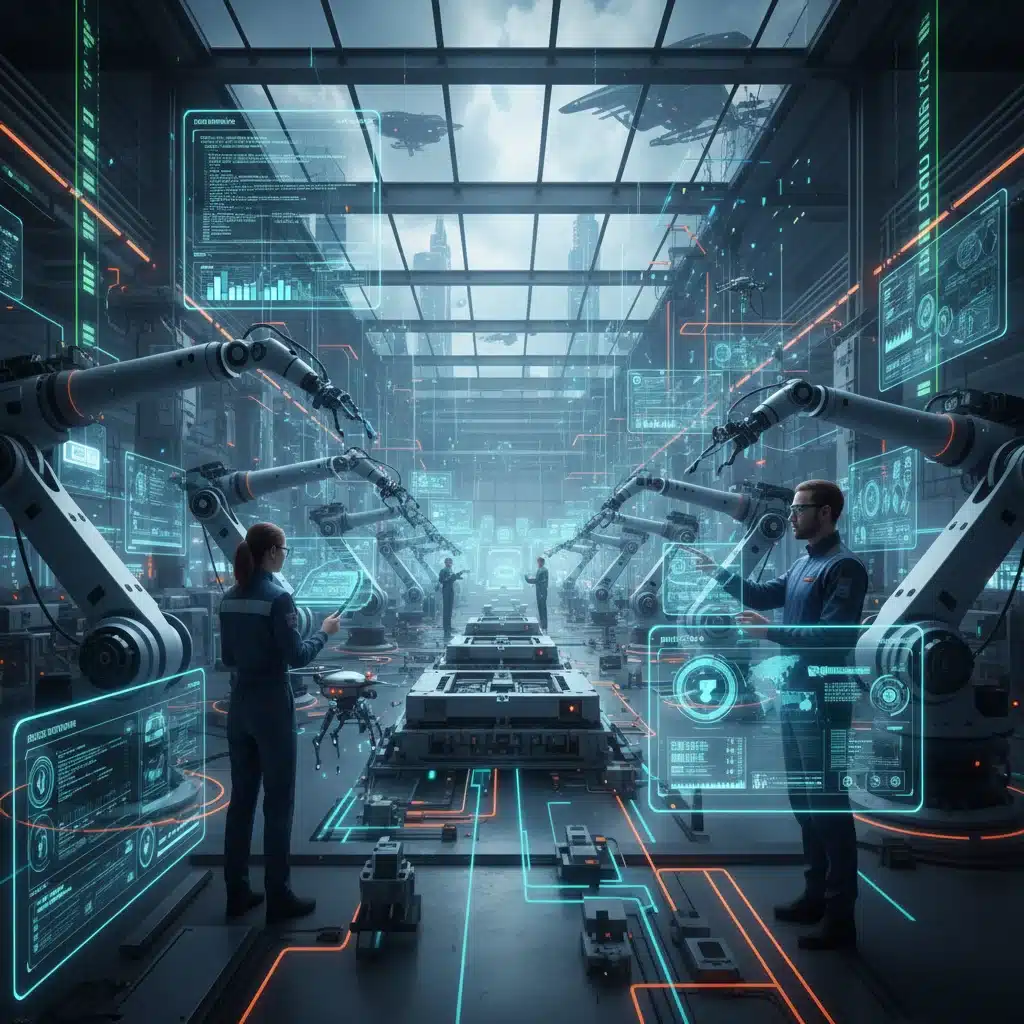
The Edge Revolution: 5 Innovations Propelling US Manufacturing Efficiency by 15% in 18 Months
The landscape of US manufacturing is on the cusp of an unprecedented transformation, driven by the relentless march of technological innovation. At the forefront of this revolution is Edge Computing Manufacturing – a paradigm shift that brings computation and data storage closer to the sources of data, rather than relying solely on centralized cloud infrastructure. This strategic relocation of processing power is not merely a technical upgrade; it’s a fundamental reimagining of how factories operate, promising a staggering 15% boost in operational efficiency within the next 18 months.
For decades, manufacturing has strived for optimization, but the sheer volume and velocity of data generated by modern industrial equipment have often outpaced traditional processing capabilities. Cloud computing offered a solution, but latency, bandwidth limitations, and security concerns often presented bottlenecks, especially for time-sensitive applications. Enter edge computing, which meticulously addresses these challenges by enabling real-time data analysis, immediate decision-making, and enhanced operational autonomy right on the factory floor.
This article delves into five pivotal Edge Computing Manufacturing innovations that are not only reshaping the industry but are also key to unlocking significant efficiency gains across the US manufacturing sector. We will explore how these advancements are translating into tangible benefits, from predictive maintenance to enhanced quality control, and why adopting an edge-first strategy is no longer a luxury but a necessity for competitive advantage.
1. Real-Time Data Processing and Analytics at the Source
One of the most profound benefits of Edge Computing Manufacturing is its ability to process data at the very point of its creation. In a traditional setup, data from sensors and machines would be sent to a central server or cloud for analysis. This journey, however brief, introduces latency – a delay that can be critical in high-speed manufacturing environments. Imagine a production line where a slight deviation in temperature or pressure can lead to defects. Waiting for data to travel to the cloud and back for analysis could mean producing hundreds of faulty units before the issue is even detected.
Edge devices, embedded directly into machinery or placed in close proximity, can analyze this data instantaneously. This real-time processing capability allows for immediate identification of anomalies, proactive adjustments to machine parameters, and rapid response to potential failures. For instance, sensors on a robotic arm can detect subtle vibrations indicative of impending mechanical failure. An edge device can process this vibration data in milliseconds, triggering an alert for preventative maintenance before a catastrophic breakdown occurs, thereby minimizing downtime and maximizing throughput. This immediate feedback loop is crucial for optimizing continuous production processes and significantly reduces waste.
Furthermore, real-time analytics at the edge empowers operators with actionable insights directly on the factory floor. Dashboards on local terminals can display current performance metrics, energy consumption, and quality control data, allowing personnel to make informed decisions without delay. This localized intelligence not only speeds up operations but also fosters a culture of continuous improvement, where data-driven decisions become an integral part of daily routines. The impact on overall equipment effectiveness (OEE) is substantial, as machines operate closer to their optimal performance levels for longer periods.
The ability to filter and prioritize data at the edge before sending it to the cloud also reduces bandwidth requirements and storage costs. Only critical or summarized data needs to be transmitted, freeing up network resources and making cloud infrastructure more efficient. This intelligent data management is a cornerstone of efficient Edge Computing Manufacturing deployments, ensuring that resources are utilized optimally across the entire IT/OT stack.
2. Enhanced Predictive Maintenance and Asset Optimization
The promise of predictive maintenance has long been a holy grail for manufacturers, offering the ability to anticipate equipment failures before they happen, thereby reducing unplanned downtime and maintenance costs. While cloud-based solutions have made strides in this area, Edge Computing Manufacturing elevates predictive maintenance to an entirely new level of precision and responsiveness.
By deploying edge devices equipped with advanced analytics and machine learning algorithms, manufacturers can continuously monitor the health of their assets with unparalleled granularity. These edge nodes collect vast amounts of data – vibration, temperature, acoustic signatures, current draw, and more – directly from critical machinery. This data is then analyzed locally, often using pre-trained AI models, to identify subtle patterns that indicate wear and tear or impending failure. The advantage here is the immediacy; the analysis doesn’t need to wait for data transmission to a distant server.
Consider a complex CNC machine. An edge device can detect minute changes in cutting tool vibrations that suggest imminent breakage. Instead of waiting for a cloud alert, which might take precious minutes, the edge device can issue an immediate warning to the operator or even trigger an automated shutdown sequence, preventing damage to the machine, product, and potential injury. This proactive approach dramatically extends the lifespan of expensive equipment, optimizes maintenance schedules, and ensures that spare parts are ordered precisely when needed, minimizing inventory holding costs.
The efficiency gains from optimized asset utilization are profound. Unplanned downtime can cost manufacturers millions of dollars annually in lost production and repair expenses. By reducing these occurrences through advanced Edge Computing Manufacturing predictive maintenance, companies can achieve significant cost savings and maintain consistent production schedules. This leads to higher output, improved delivery times, and ultimately, greater customer satisfaction. The integration of AI at the edge allows these systems to learn and adapt over time, becoming even more accurate in their predictions and recommendations.
3. AI and Machine Learning at the Edge for Quality Control
Quality control is paramount in manufacturing, impacting brand reputation, customer loyalty, and profitability. Traditionally, quality checks often involved manual inspection or sampling, which can be prone to human error and may not catch every defect. Cloud-based AI solutions have offered improvements, but latency remains a challenge for real-time, in-line quality assurance. This is where Edge Computing Manufacturing truly shines, bringing AI and machine learning capabilities directly to the production line for instantaneous defect detection and process adjustment.
Imagine high-speed assembly lines producing intricate components. Edge devices equipped with cameras and AI vision systems can perform real-time, automated visual inspections at multiple points along the line. These systems can identify microscopic flaws, misalignments, or color inconsistencies that would be impossible for the human eye to detect at production speed. The AI model, trained on vast datasets of acceptable and defective products, makes instant decisions about product quality.
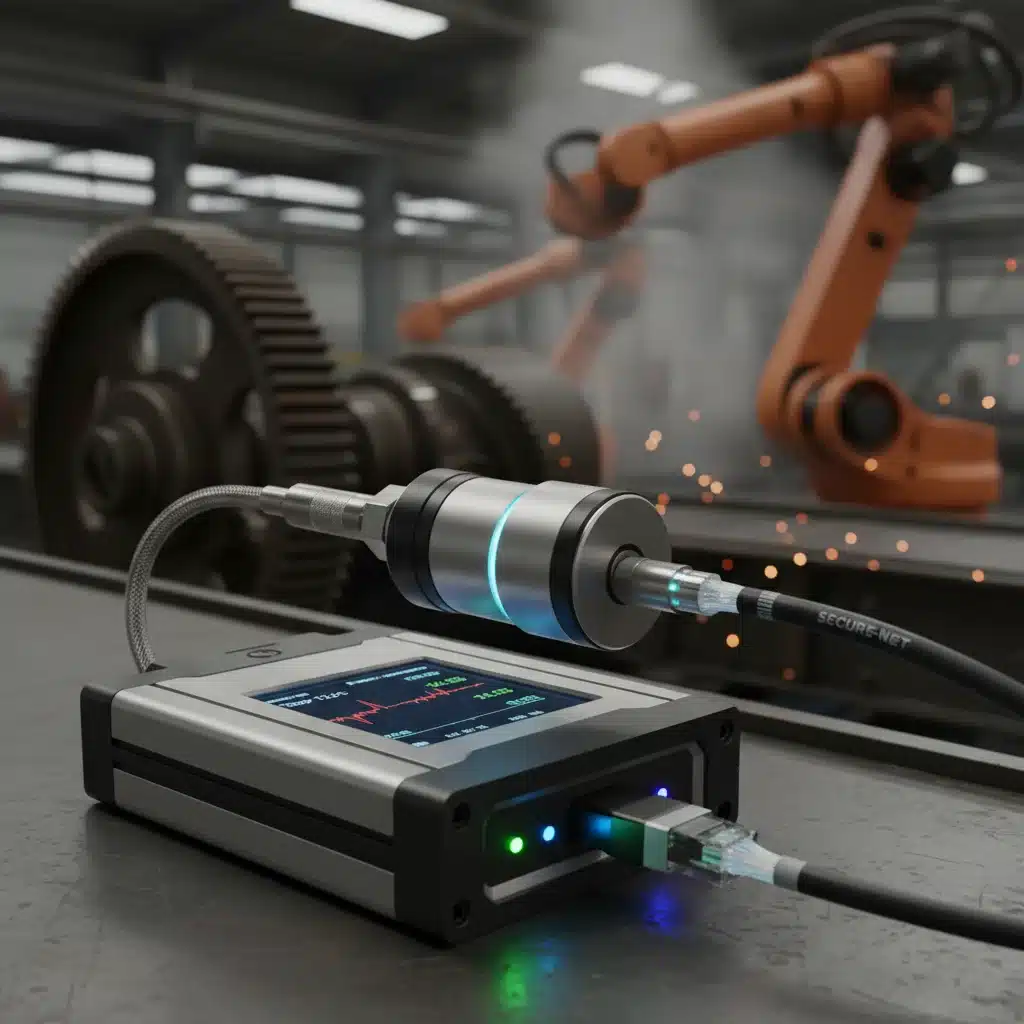
The immediate benefit of this Edge Computing Manufacturing approach is the ability to catch defects as they occur, preventing the production of entire batches of faulty goods. If a defect is detected, the edge system can immediately flag the product for removal, alert operators, and even trigger automated adjustments to upstream processes to correct the root cause of the flaw. This drastically reduces waste, rework, and the cost associated with recalling defective products, leading to substantial efficiency gains and higher product quality.
Beyond visual inspection, edge AI can be applied to other aspects of quality control, such as acoustic analysis for anomaly detection in rotating machinery, or haptic feedback analysis for robotic assembly processes. The ability to perform complex AI inferences locally, without relying on cloud connectivity, ensures that quality checks are continuous, robust, and unaffected by network interruptions. This level of precision and responsiveness contributes significantly to the 15% efficiency improvement target by minimizing scrap rates and ensuring consistent product excellence.
4. Optimized Supply Chain and Inventory Management
While often associated with the factory floor, Edge Computing Manufacturing also extends its influence to optimize broader operational aspects, including supply chain and inventory management. The ability to collect, process, and analyze data at distributed points across the supply chain offers unprecedented visibility and control, leading to more agile and efficient operations.
Consider a scenario where raw materials or finished goods are transported across vast distances. Edge devices equipped with GPS, environmental sensors, and RFID readers can monitor the location, condition, and integrity of shipments in real-time. This data, processed at the edge, can immediately alert manufacturers to potential delays, spoilage (for sensitive goods), or security breaches. For example, if a container’s temperature exceeds a critical threshold, an edge-based system can trigger an alert, allowing for immediate corrective action, preventing costly losses.
In terms of inventory, edge computing can power smart warehousing solutions. Sensors on shelves and pallets can track inventory levels with extreme accuracy. Edge devices can process this data to provide real-time updates on stock availability, automatically trigger reorder alerts when thresholds are met, and even optimize storage layouts based on demand patterns. This reduces the need for manual inventory counts, minimizes instances of overstocking or understocking, and ensures that production lines always have the necessary components.
The integration of Edge Computing Manufacturing with enterprise resource planning (ERP) systems allows for a more dynamic and responsive supply chain. Data from edge devices can feed directly into ERP systems, providing an up-to-the-minute picture of operations. This enables better forecasting, more efficient resource allocation, and a more resilient supply chain that can adapt quickly to disruptions. The reduction in inventory carrying costs, waste due to spoilage or obsolescence, and improved logistics contribute significantly to the overall efficiency improvements projected for the US manufacturing sector.
5. Enhanced Cybersecurity and Data Privacy at the Edge
As manufacturing operations become increasingly digitized and interconnected, cybersecurity and data privacy emerge as critical concerns. Sending all operational data to a centralized cloud introduces potential vulnerabilities and broadens the attack surface. Edge Computing Manufacturing offers a significant advantage in this regard by providing a decentralized approach to data processing and enhanced security measures.
By processing sensitive operational data locally at the edge, the amount of data that needs to be transmitted to the cloud is drastically reduced. This ‘data minimization’ principle inherently lowers the risk of data breaches during transit. Furthermore, edge devices can be designed with robust security protocols, including encryption, secure boot mechanisms, and access controls, making them resilient to cyber threats. If an edge device is compromised, the impact is often localized, preventing a widespread breach of the entire network or cloud infrastructure.
Edge computing also facilitates compliance with data privacy regulations. In industries where certain data must remain within specific geographical boundaries or comply with strict confidentiality rules, edge nodes can ensure that sensitive information is processed and stored locally, only transmitting anonymized or aggregated data to the cloud. This is particularly important for intellectual property and proprietary manufacturing processes.
The implementation of security features at the edge also enables faster threat detection and response. Edge devices can continuously monitor network traffic and system behavior for anomalies, identifying and neutralizing threats in real-time before they can propagate. This proactive security posture is vital for maintaining operational continuity and protecting valuable manufacturing data. By enhancing cybersecurity and ensuring data privacy, Edge Computing Manufacturing builds a more trustworthy and resilient industrial ecosystem, underpinning the projected efficiency gains by minimizing disruption risks.

The Path to 15% Efficiency: Challenges and Opportunities
Achieving a 15% efficiency boost in US manufacturing within 18 months through Edge Computing Manufacturing is an ambitious yet attainable goal. However, it’s important to acknowledge the challenges that manufacturers may face on this journey. These include the initial investment in edge hardware and software, the need for skilled personnel to deploy and manage these systems, and the integration of edge solutions with existing legacy infrastructure.
The complexity of integrating new technologies into established operational technology (OT) environments can be daunting. Manufacturers must carefully plan their edge deployments, starting with pilot projects that demonstrate clear ROI before scaling up. Collaboration between IT and OT teams is crucial to bridge the gap between traditional industrial systems and modern digital technologies. Training programs for the existing workforce will also be vital to ensure a smooth transition and maximize the benefits of edge computing.
Despite these challenges, the opportunities presented by Edge Computing Manufacturing far outweigh the hurdles. The potential for reduced operational costs, increased throughput, improved product quality, and enhanced agility positions edge computing as a cornerstone of Industry 4.0. Early adopters will gain a significant competitive advantage, setting new benchmarks for efficiency and innovation.
The strategic implementation of edge computing will not only streamline current manufacturing processes but also unlock new possibilities for automation, personalization, and sustainable production. By enabling real-time data-driven decisions and fostering a more responsive operational environment, edge computing is paving the way for a smarter, more efficient, and more resilient US manufacturing sector.
Future Trends and the Evolving Role of Edge Computing in Manufacturing
The journey of Edge Computing Manufacturing is far from over; it’s a rapidly evolving field with continuous advancements. Looking ahead, several trends are poised to further amplify its impact on US manufacturing efficiency:
- Hyper-converged Edge Infrastructure: We will see more integrated edge solutions that combine compute, storage, and networking into a single, compact unit, simplifying deployment and management in industrial environments.
- Federated Learning at the Edge: AI models will be trained on decentralized edge devices without centralizing raw data, enhancing privacy and allowing for more localized and adaptive intelligence. This means models can learn from specific factory conditions without sharing sensitive proprietary data.
- 5G and Private Networks: The widespread adoption of 5G and dedicated private industrial networks will provide the high bandwidth and ultra-low latency connectivity essential for robust Edge Computing Manufacturing deployments, enabling even more sophisticated real-time applications.
- Digital Twins at the Edge: Edge computing will be critical for creating and maintaining real-time digital twins of physical assets and entire factory floors. These virtual replicas, constantly updated with edge data, will allow for advanced simulations, predictive modeling, and remote control, leading to unparalleled optimization.
- Edge-to-Cloud Continuum: The distinction between edge and cloud will become increasingly blurred, with a seamless continuum of computing resources. Data and workloads will intelligently flow between the edge, fog (intermediate layer), and cloud based on real-time requirements, latency needs, and processing power. This integrated approach will maximize flexibility and efficiency.
- Increased Automation and Robotics Integration: As edge devices become more powerful and intelligent, they will play an even greater role in orchestrating complex robotic systems and fully automated production lines, leading to a new era of lights-out manufacturing where human intervention is minimized.
- Sustainability and Energy Efficiency: Edge computing can contribute to green manufacturing by optimizing energy consumption of machinery in real-time, detecting inefficiencies, and enabling smarter resource allocation, thereby reducing the environmental footprint of industrial operations.
These emerging trends underscore the dynamic nature of Edge Computing Manufacturing and its enduring potential to drive innovation. Manufacturers who embrace these advancements will not only achieve the targeted 15% efficiency gain but will also position themselves as leaders in a globally competitive market, ready to adapt to future challenges and opportunities.
Conclusion: The Imperative of Edge Adoption for US Manufacturing
The evidence is clear: Edge Computing Manufacturing is not just another buzzword; it is a foundational technology poised to redefine operational excellence in the US manufacturing sector. The five innovations discussed – real-time data processing, advanced predictive maintenance, AI-powered quality control, optimized supply chain management, and enhanced cybersecurity – collectively form a powerful toolkit for achieving substantial efficiency improvements. The projected 15% increase in efficiency within the next 18 months is a testament to the transformative power of bringing computation closer to the point of data generation.
For US manufacturers, embracing edge computing is no longer a matter of choice but a strategic imperative. It offers the speed, reliability, and security necessary to thrive in an increasingly data-driven and competitive global economy. Companies that invest in edge solutions will be better equipped to reduce costs, minimize downtime, improve product quality, and accelerate innovation.
The journey towards a smarter, more efficient manufacturing future begins with a commitment to understanding and integrating edge technologies. By doing so, US manufacturers can solidify their position as global leaders, demonstrating that innovation and efficiency are not just aspirations, but achievable realities powered by the intelligent edge.
The time to act is now. The future of manufacturing is at the edge, and those who lead the charge will reap the rewards of a more productive, resilient, and profitable enterprise.