Customer Service Evolution: 3 Innovations by 2026

The landscape of customer service is in a constant state of flux, driven by technological advancements and ever-evolving consumer expectations. What was once considered cutting-edge yesterday is merely standard practice today. As we approach mid-2026, the pace of innovation is only accelerating, pushing businesses to rethink their strategies and embrace new paradigms to remain competitive and relevant. The modern consumer is more informed, more connected, and less patient than ever before. They demand immediate, personalized, and effortless interactions across every touchpoint. This isn’t just about problem-solving anymore; it’s about creating memorable experiences that foster loyalty and advocacy.
Understanding these shifts is not just beneficial, but absolutely critical for any business aiming for long-term success. Ignoring these trends is akin to navigating a rapidly changing sea with an outdated map. The businesses that thrive will be those that not only adapt to these changes but anticipate them, embedding innovative solutions deep into their operational DNA. In this comprehensive exploration, we will delve into the three paramount customer service innovations that consumers will not only appreciate but actively expect by mid-2026. These aren’t futuristic pipe dreams; they are technologies and methodologies that are already gaining traction and are poised to become foundational elements of superior customer experience (CX).
From the sophisticated algorithms driving hyper-personalization to the predictive power of proactive engagement and the seamless integration of omnichannel experiences, each innovation represents a significant leap forward. We will dissect each of these pivotal advancements, examining their underlying mechanisms, the benefits they offer both consumers and businesses, and the steps companies can take to implement them effectively. Prepare to transform your understanding of what constitutes exceptional customer service and equip your business with the insights needed to meet and exceed the expectations of the discerning consumer of tomorrow.
The Dawn of Hyper-Personalization Driven by AI and Data Analytics
One of the most profound shifts in customer service is the move from generalized support to hyper-personalized interactions. Consumers are no longer content with generic responses or one-size-fits-all solutions. They expect brands to know them, understand their preferences, anticipate their needs, and tailor every interaction accordingly. By mid-2026, this expectation for highly personalized service, powered predominantly by Artificial Intelligence (AI) and advanced data analytics, will be non-negotiable. This is one of the most critical customer service innovations to master.
Understanding Hyper-Personalization
Hyper-personalization goes far beyond simply addressing a customer by their first name. It involves leveraging vast amounts of data – purchase history, browsing behavior, previous interactions, demographic information, and even social media activity – to create a truly unique and relevant experience for each individual. AI algorithms are the engine behind this, capable of processing and interpreting this data at speeds and scales impossible for humans. They can identify patterns, predict future behavior, and recommend the best course of action or product for a specific customer.
The Role of AI in Delivering Personalized Experiences
- Predictive Analytics: AI can analyze past behavior to predict future needs. For example, if a customer frequently purchases a certain product every three months, AI can trigger a reminder or offer a discount just before their usual repurchase cycle.
- Personalized Recommendations: Beyond simple ‘customers who bought this also bought this,’ AI can create highly sophisticated recommendation engines based on a deep understanding of individual tastes and preferences, leading to increased conversions and customer satisfaction.
- Dynamic Content: Websites, emails, and even app interfaces can dynamically change based on a customer’s profile, displaying content, offers, and information most relevant to them. This ensures that every digital touchpoint feels tailor-made.
- Intelligent Chatbots and Virtual Assistants: AI-powered chatbots are evolving from simple FAQ responders to sophisticated conversational agents that can understand complex queries, access customer history, and provide personalized solutions or escalate to the most appropriate human agent with full context.
- Sentiment Analysis: AI can analyze the tone and sentiment of customer communications (emails, chat, social media) to understand their emotional state. This allows agents to adjust their approach, offering empathy and more tailored support, especially in moments of frustration.
Benefits for Businesses and Consumers
For businesses, hyper-personalization translates into:
- Increased Customer Loyalty and Retention: When customers feel understood and valued, they are more likely to remain loyal to a brand.
- Higher Conversion Rates: Relevant recommendations and tailored offers lead to more successful sales.
- Improved Customer Satisfaction: Customers appreciate efficient and relevant interactions, reducing frustration and enhancing their overall experience.
- Operational Efficiencies: AI automates many aspects of personalization, freeing up human agents to focus on more complex or sensitive issues.
- Enhanced Brand Reputation: Brands known for their excellent, personalized service stand out in a crowded market.
For consumers, the benefits are equally compelling:
- Relevant Information: They receive information and offers that truly matter to them, cutting through the noise.
- Faster Resolutions: Personalized support means less time explaining their history or preferences.
- Seamless Experiences: Interactions feel more natural and intuitive, as if the brand genuinely knows them.
- Feeling Valued: Customers feel recognized and appreciated, fostering a stronger connection with the brand.
Implementing Hyper-Personalization
To successfully implement hyper-personalization, businesses need to:
- Invest in Robust Data Infrastructure: This includes customer relationship management (CRM) systems, data warehouses, and data lakes that can collect, store, and integrate data from all touchpoints.
- Adopt AI and Machine Learning Platforms: These tools are essential for analyzing data, identifying patterns, and driving personalized actions.
- Focus on Data Privacy and Ethics: Transparency with customers about data usage and ensuring robust security measures are paramount to building trust.
- Integrate Systems: Ensure that all customer-facing systems (website, app, call center, email) are integrated to provide a unified view of the customer.
- Start Small and Iterate: Begin with specific personalization initiatives, measure their impact, and continuously refine your approach based on feedback and data.
By mid-2026, hyper-personalization won’t be a competitive advantage; it will be a fundamental expectation. Businesses that fail to embrace this AI-driven approach risk being left behind in a market that increasingly values individual attention.
Proactive and Predictive Customer Support: Anticipating Needs
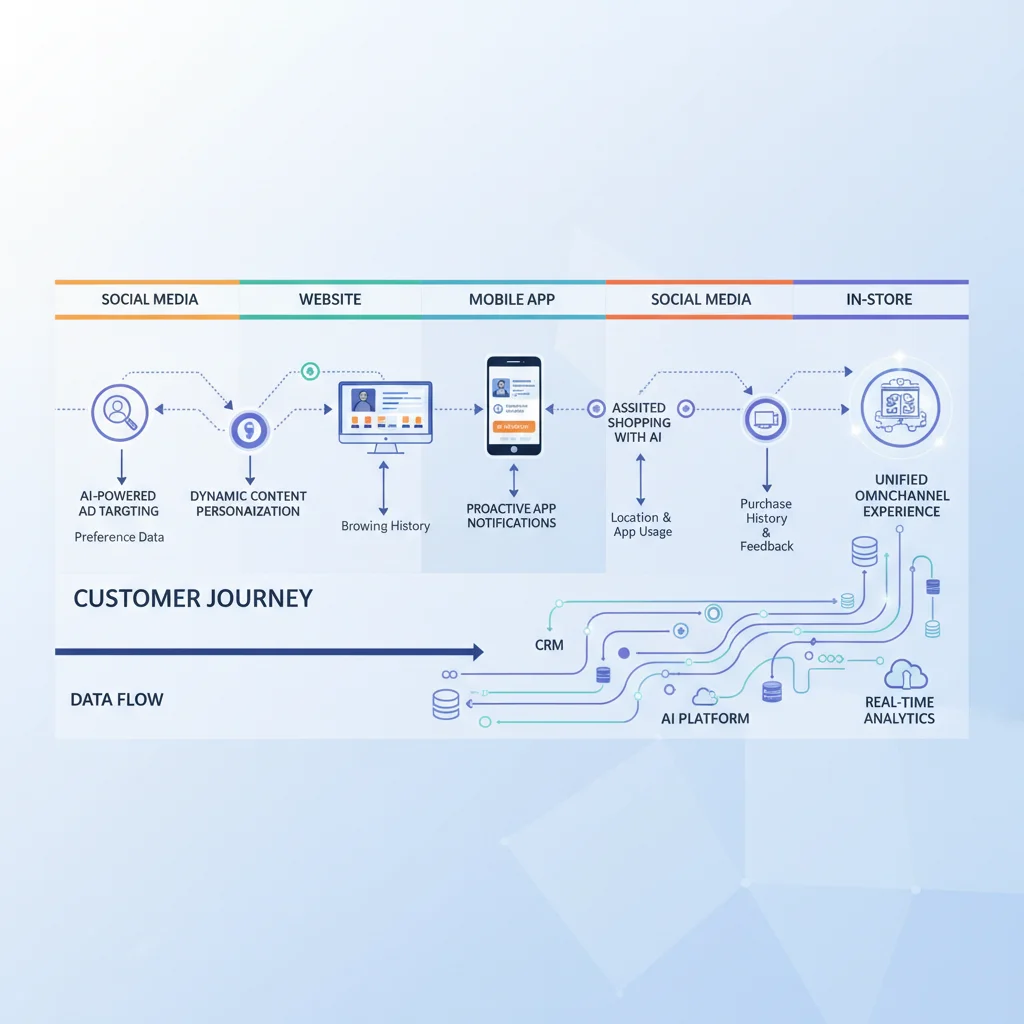
The second major customer service innovation consumers will expect by mid-2026 is proactive and predictive support. Historically, customer service has been reactive – customers reach out with a problem, and the business responds. However, the future of CX is about anticipating issues before they arise and addressing them before the customer even realizes there’s a problem. This shift significantly elevates the customer experience from problem-solving to problem prevention, fostering a deeper sense of trust and reliability.
What is Proactive and Predictive Support?
Proactive support involves businesses initiating contact with customers to offer assistance, provide relevant information, or resolve potential issues without the customer having to ask. This could be anything from notifying a customer about a shipping delay before they inquire, to reminding them about an upcoming appointment, or even offering tutorials for features they haven’t used yet.
Predictive support takes this a step further by leveraging data analytics and AI to foresee potential problems or needs. By analyzing usage patterns, error logs, sensor data (for IoT devices), and past customer interactions, businesses can predict when a customer might encounter an issue or require specific information. This allows for intervention before frustration sets in, transforming a potential negative experience into a positive one.
Technologies Enabling Proactive Support
- IoT (Internet of Things) Devices: For products with embedded sensors, IoT can transmit data indicating potential malfunctions or maintenance needs. For example, a smart appliance could alert the manufacturer to a failing component, prompting a proactive service call.
- AI and Machine Learning: These technologies analyze vast datasets to identify correlations and predict outcomes. They can flag unusual usage patterns, detect early signs of service disruption, or forecast customer churn based on behavioral changes.
- CRM Systems Integration: A unified CRM provides a comprehensive view of customer interactions, purchase history, and known issues, enabling agents to offer more relevant proactive assistance.
- Automated Communication Platforms: Tools for automated email, SMS, and in-app notifications are crucial for delivering timely proactive messages at scale.
Examples of Proactive Customer Support in Action
- Shipping and Delivery Updates: Notifying customers about potential delays or changes in delivery schedules before they check their order status.
- Service Outage Alerts: Informing users of a service interruption and providing an estimated resolution time, often with an apology and sometimes a compensatory offer.
- Product Maintenance Reminders: For subscription services or products requiring regular upkeep, sending reminders for renewals, software updates, or scheduled maintenance.
- Fraud Detection and Prevention: Alerting customers to suspicious activity on their accounts and offering immediate steps to secure their information.
- Onboarding and Usage Tips: For new users of a product or service, sending helpful tips and tutorials based on their initial usage patterns to ensure they get the most value.
- Account Activity Notifications: Confirming significant account changes, such as password resets or profile updates, to prevent unauthorized access.
Benefits of Proactive and Predictive Support
The advantages of this approach are substantial:
- Increased Customer Satisfaction: Customers feel cared for and valued when a company anticipates their needs, leading to a much more positive perception.
- Reduced Customer Effort: By preventing issues or providing solutions before they are sought, businesses significantly reduce the effort customers need to expend.
- Lower Support Costs: Resolving issues proactively often costs less than handling reactive complaints, which can be more complex and time-consuming.
- Boosted Customer Loyalty: Proactive engagement builds trust and strengthens the relationship between the customer and the brand.
- Improved Brand Reputation: Brands known for their foresight and attentiveness gain a significant competitive edge.
- Higher First Contact Resolution (FCR): When an issue is prevented, it never becomes a contact that needs resolving. When it’s anticipated and addressed, the resolution is often quicker and more efficient.
Implementing Proactive Strategies
To successfully implement proactive and predictive support, businesses must:
- Integrate Data Sources: Consolidate data from all customer touchpoints, product usage, and operational systems.
- Invest in Analytics and AI: Utilize tools capable of identifying patterns, predicting issues, and triggering appropriate actions.
- Map the Customer Journey: Understand potential pain points and opportunities for proactive intervention at each stage.
- Develop Communication Protocols: Establish clear guidelines for when, how, and through which channels to send proactive messages.
- Empower Agents: Provide agents with the tools and information to act proactively and handle complex issues that arise from predictive insights.
- Measure and Refine: Track the impact of proactive initiatives on customer satisfaction, churn, and support costs, continuously optimizing the approach.
By mid-2026, the expectation for brands to anticipate and address customer needs will be firmly entrenched. Businesses that master proactive and predictive support will not only enhance their customer experience but also significantly improve their operational efficiency and competitive standing.
Seamless Omnichannel Experiences: Cohesive and Contextual Journeys
The third fundamental customer service innovation consumers will demand by mid-2026 is a truly seamless omnichannel experience. In today’s hyper-connected world, customers interact with brands across a multitude of channels – websites, mobile apps, social media, email, phone, in-store, and even emerging platforms like voice assistants. The expectation is that these interactions are not isolated events but rather interconnected parts of a single, coherent conversation. A seamless omnichannel experience ensures that the customer’s journey is fluid, contextual, and uninterrupted, regardless of how they choose to engage.
Distinguishing Omnichannel from Multichannel
It’s crucial to understand the difference between multichannel and omnichannel. Multichannel simply means a business offers multiple ways for customers to interact. However, these channels often operate in silos, meaning if a customer starts a conversation on chat and then switches to a phone call, they have to repeat all their information and context. This leads to frustration and inefficiency.
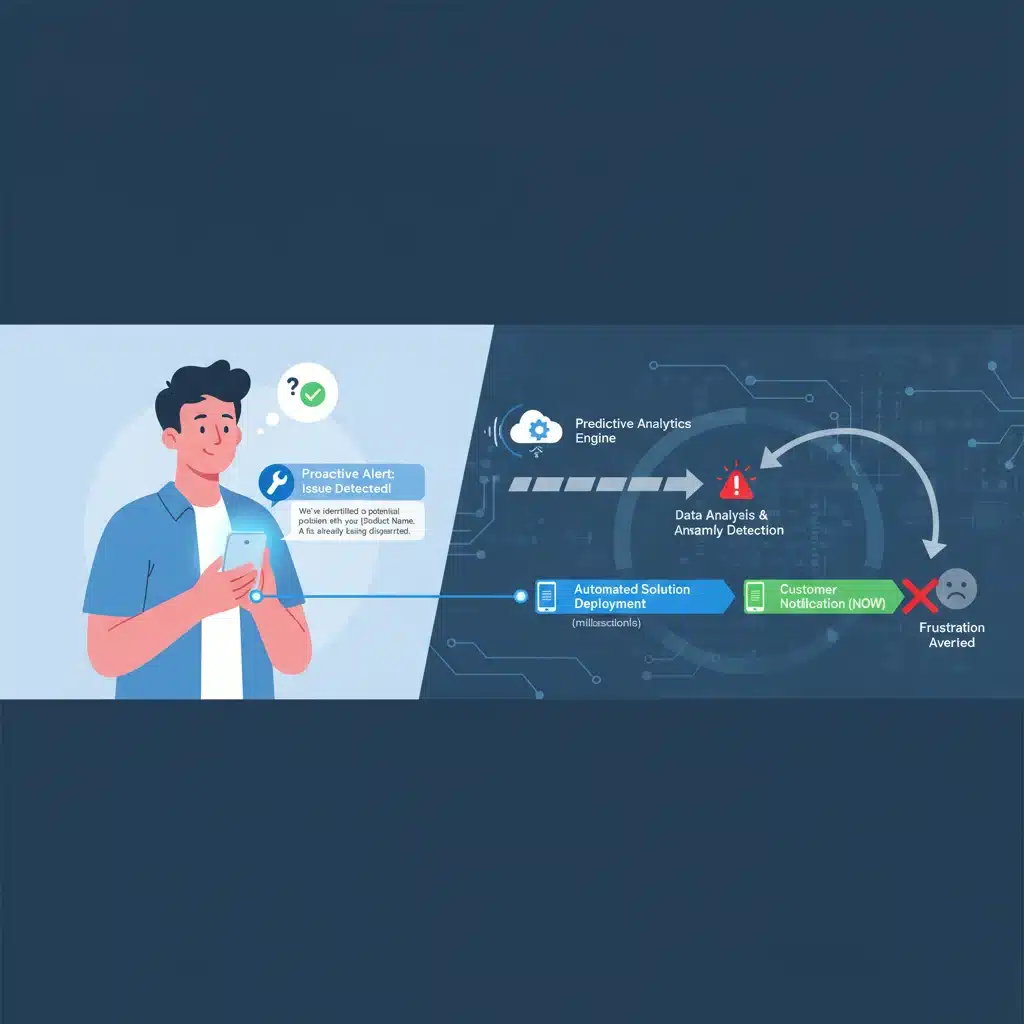
Omnichannel, by contrast, is about integrating these channels so that they work together harmoniously. The customer’s journey is tracked across all touchpoints, and context is preserved. An agent answering a phone call will have full visibility into the customer’s recent chat history, website browsing, and purchase records. This ensures a consistent, personalized, and efficient experience, making it one of the most vital customer service innovations.
Key Characteristics of a Seamless Omnichannel Experience
- Unified Customer View: A single, comprehensive profile for each customer, accessible across all channels and by all relevant employees.
- Context Preservation: The ability to pick up a conversation exactly where it left off, regardless of the channel switch. No need for the customer to repeat themselves.
- Consistent Branding and Messaging: The brand voice, tone, and visual identity remain consistent across all platforms.
- Channel Choice and Flexibility: Customers can choose their preferred channel for any given interaction and switch between them effortlessly.
- Real-time Data Synchronization: Information updated in one channel is immediately reflected across all others.
- Personalized Interactions: Leveraging the unified view to provide tailored experiences, as discussed in hyper-personalization.
Technologies Powering Omnichannel Integration
- CRM (Customer Relationship Management) Platforms: A centralized CRM is the backbone, storing all customer data and interaction history.
- Cloud-Based Contact Centers: Modern contact center solutions integrate voice, email, chat, social media, and more into a single agent interface.
- APIs (Application Programming Interfaces): APIs are essential for connecting disparate systems and ensuring data flows smoothly between them.
- AI and Automation: AI can route customers to the best channel or agent, automate responses, and assist agents by providing relevant information in real-time.
- Unified Communication Platforms: Tools that consolidate various communication methods for internal teams, enabling better collaboration around customer issues.
Benefits for Businesses and Consumers
Implementing a seamless omnichannel strategy yields significant advantages:
For Businesses:
- Increased Customer Satisfaction: Reduced effort and consistent experiences lead to happier customers.
- Higher Customer Retention and Loyalty: Customers are more likely to stick with brands that offer effortless support.
- Improved Agent Efficiency: Agents have all the necessary context at their fingertips, leading to faster resolution times and less frustration.
- Better Data Insights: A unified view provides richer data for analysis, helping businesses understand customer behavior and optimize strategies.
- Enhanced Sales Opportunities: Consistent experiences across sales and service channels can drive more conversions.
- Stronger Brand Image: A reputation for excellent, integrated service sets a brand apart.
For Consumers:
- Effortless Interactions: No need to repeat information or navigate disconnected systems.
- Personalized Service: Every interaction is informed by their history and preferences.
- Convenience and Flexibility: They can engage on their terms, using their preferred channel at any given moment.
- Faster Resolutions: Agents with full context can resolve issues more quickly and effectively.
- Consistent Experience: The brand feels cohesive and reliable across all touchpoints.
Achieving Omnichannel Excellence
To deliver a truly seamless omnichannel experience, businesses should:
- Put the Customer First: Design the experience from the customer’s perspective, not from internal departmental silos.
- Integrate All Systems: Break down data silos and ensure that CRM, contact center, marketing automation, and other systems communicate effectively.
- Train Employees: Ensure that all customer-facing staff are trained on the new systems and understand the importance of a unified customer journey.
- Map the Customer Journey: Identify all possible touchpoints and interaction paths to ensure continuity.
- Leverage AI for Routing and Context: Use AI to intelligently route customers to the best resource and provide agents with real-time context.
- Continuously Monitor and Optimize: Gather feedback, analyze performance metrics, and iterate on the omnichannel strategy to improve it over time.
By mid-2026, a truly seamless omnichannel experience will be the bedrock of customer satisfaction. Businesses that successfully integrate their channels will not only meet but exceed consumer expectations, building lasting relationships and driving sustained growth.
The Intersection of These Innovations: A Holistic CX Approach
While we’ve discussed hyper-personalization, proactive support, and seamless omnichannel experiences as distinct customer service innovations, their true power lies in their convergence. By mid-2026, consumers won’t view these as separate features but as interconnected components of a single, holistic customer experience. Imagine a scenario where a customer’s smart home device (IoT) detects a potential issue. This triggers a proactive alert to the customer via their preferred communication channel, simultaneously updating their unified customer profile in the CRM. An AI-powered virtual assistant then offers a personalized solution, perhaps scheduling a technician visit or providing step-by-step troubleshooting instructions, all while maintaining context across any subsequent interactions, whether by phone, chat, or email.
Synergy for Superior Outcomes
When these innovations work in concert, the results are transformative:
- Unprecedented Efficiency: AI-driven personalization and proactive alerts reduce the volume of reactive inquiries, while omnichannel integration streamlines those that do occur.
- Deepened Customer Relationships: Customers feel truly known, valued, and understood, leading to unparalleled loyalty.
- Competitive Differentiation: Businesses that master this integrated approach will stand head and shoulders above those offering fragmented or generic service.
- Richer Data Insights: The combined data from personalized interactions, proactive engagements, and omnichannel journeys provides a 360-degree view of the customer, enabling continuous improvement.
- Empowered Employees: Customer service agents are no longer just problem solvers; they become relationship builders, equipped with all the tools and context needed to deliver exceptional service.
Challenges and Considerations for Adoption
Implementing these advanced customer service innovations is not without its challenges:
- Data Silos: Many organizations still struggle with disconnected data systems, making a unified customer view difficult to achieve.
- Technological Investment: Adopting AI, advanced analytics, and integrated omnichannel platforms requires significant investment in technology and expertise.
- Organizational Change Management: Shifting from reactive, siloed service to proactive, integrated CX requires a cultural change within the organization, often necessitating new training and processes.
- Data Privacy and Security: Handling vast amounts of customer data for personalization and prediction demands robust security measures and strict adherence to privacy regulations.
- Maintaining the Human Touch: While automation is key, ensuring that the human element remains available for complex, sensitive, or high-value interactions is crucial. The goal is augmentation, not replacement, of human agents.
Preparing for Mid-2026 and Beyond
For businesses looking to prepare for these impending customer expectations, the journey involves several strategic steps:
- Conduct a CX Audit: Assess your current customer service capabilities against these emerging trends. Identify gaps in technology, data integration, and employee training.
- Develop a Data Strategy: Prioritize data collection, integration, and analysis. Invest in a robust CRM and data analytics platform as the foundation.
- Pilot AI Initiatives: Start with manageable AI projects, such as intelligent chatbots for specific FAQs or personalized recommendation engines for a segment of your customer base.
- Map and Optimize Customer Journeys: Understand every touchpoint and identify opportunities for proactive engagement and seamless transitions between channels.
- Invest in Employee Training: Equip your customer service teams with the skills to leverage new technologies, interpret data insights, and handle more complex, emotionally charged interactions.
- Foster a Culture of Customer Centricity: Ensure that every department understands its role in delivering an exceptional end-to-end customer experience.
- Stay Agile and Adaptive: The technology and customer expectations will continue to evolve. Businesses must be prepared to continuously learn, iterate, and adapt their strategies.
Conclusion: Embracing the Future of Customer Service
The evolution of customer service is not a distant future; it is happening now, and by mid-2026, the three key customer service innovations discussed – hyper-personalization driven by AI, proactive and predictive support, and seamless omnichannel experiences – will be foundational expectations for consumers. These are not merely technological upgrades but fundamental shifts in how businesses interact with and value their customers. The companies that embrace these changes will not only meet customer demands but will also forge deeper, more loyal relationships, drive greater efficiency, and secure a significant competitive advantage.
The journey towards this advanced state of customer service requires strategic investment, a commitment to technological adoption, and a cultural shift towards true customer centricity. It involves breaking down silos, leveraging data intelligently, and empowering both AI and human agents to deliver exceptional value. As the digital landscape continues to evolve, the businesses that prioritize these innovations will be the ones that thrive, creating memorable experiences that resonate with the modern consumer and set new benchmarks for excellence in customer service. The time to prepare for this future is now, ensuring your business is not just ready for 2026, but is leading the way in delivering the next generation of customer satisfaction.