Work-Life Integration: Adapting to Blurring Lines by 2026
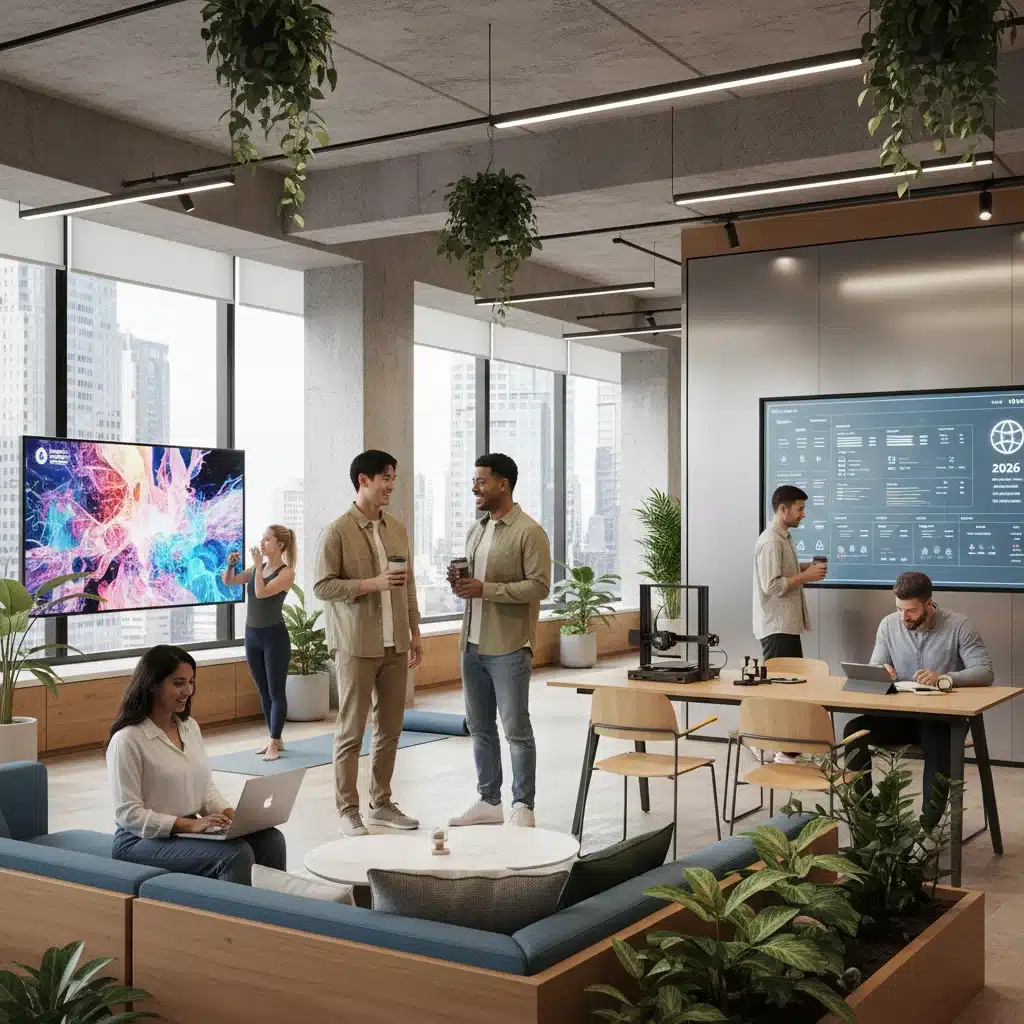
The landscape of professional and personal life is undergoing a profound transformation. What was once a clear demarcation between the 9-to-5 grind and personal time has evolved into a fluid, often intertwined existence. The concept of work leisure integration is no longer a niche idea but a dominant force shaping our future. By 2026, this blurring of lines will demand significant cultural adaptations from both organizations and individuals to thrive, not just survive.
For decades, the ideal was a perfect work-life balance, implying two separate scales that needed equal weighting. However, the rise of remote work, global connectivity, and a generation prioritising purpose and flexibility has rendered this traditional model increasingly obsolete. Instead, we are witnessing the emergence of work leisure integration, where professional responsibilities and personal pursuits are interwoven into a cohesive lifestyle. This isn’t about working more hours; it’s about working smarter, more flexibly, and in a way that aligns with individual values and well-being.
This article will delve into five critical cultural adaptations that will define success in this integrated world by 2026. From reimagining physical workspaces to fostering a new ethos of well-being and continuous learning, these shifts are essential for navigating the complexities and opportunities presented by this evolving paradigm.
1. Embracing Hyper-Flexibility as the New Norm
The traditional rigid workday is rapidly becoming a relic of the past. The pandemic accelerated a shift towards remote and hybrid models, proving that productivity isn’t solely tied to a physical office. By 2026, hyper-flexibility will be the cornerstone of successful organizations, demanding a complete overhaul of how we perceive and manage work schedules and locations. This goes beyond simply offering remote work options; it’s about empowering employees to design their work lives in a way that optimizes both their output and their personal well-being, truly embodying work leisure integration.
Hyper-flexibility encompasses several dimensions:
- Location Independence: While offices may still serve as hubs for collaboration and community, the expectation will be that employees can work effectively from anywhere. This requires robust technological infrastructure, secure networks, and a culture of trust. Companies will invest in tools that facilitate seamless communication and project management across distributed teams.
- Asynchronous Work: Moving away from the expectation of immediate responses, asynchronous work allows individuals to complete tasks on their own schedule, enhancing focus and reducing burnout. This requires clear communication protocols, detailed documentation, and a shift in mindset from instant gratification to thoughtful, deliberate contributions.
- Personalized Schedules: Recognizing that not everyone is a morning person or thrives in a traditional 9-to-5 structure, organizations will offer more personalized scheduling options. This could mean compressed workweeks, flexible start and end times, or even project-based work that allows for significant autonomy. The focus shifts from hours logged to outcomes achieved.
- Fluid Work-Life Boundaries: Instead of a hard separation, employees will be encouraged to integrate personal appointments, family responsibilities, or leisure activities into their workday as needed, provided their work commitments are met. This requires a culture of empathy and understanding from management.
The cultural adaptation here is significant. Managers must transition from a supervisory role based on physical presence to one focused on results, empowerment, and trust. Employees, in turn, must develop strong self-management skills, discipline, and effective communication strategies to thrive in this autonomous environment. The success of work leisure integration hinges on this mutual adaptation.
Furthermore, the legal and HR frameworks will need to evolve to support hyper-flexibility. This includes addressing issues like data privacy, cybersecurity for remote workers, equitable access to resources, and fair compensation models that account for varying work arrangements. Companies that successfully implement hyper-flexibility will attract and retain top talent, enhance employee satisfaction, and ultimately drive greater innovation and productivity.
2. Prioritizing Holistic Well-being and Mental Health
As the lines between work and leisure blur, the potential for burnout escalates if not managed proactively. By 2026, organizations that truly embrace work leisure integration will recognize that employee well-being is not a perk, but a fundamental pillar of sustainable success. This means moving beyond superficial wellness programs to a holistic approach that prioritizes mental, emotional, and physical health.
Key adaptations in this area include:
- Proactive Mental Health Support: Companies will invest in accessible mental health resources, including therapy, counseling, and mindfulness programs. This will involve destigmatizing mental health issues in the workplace and fostering an open environment where employees feel comfortable seeking help. Training for managers on how to recognize and support employees experiencing mental health challenges will become standard.
- Boundaries and Digital Detox: With constant connectivity, it’s easy for work to seep into every aspect of personal life. Organizations will actively promote and enforce boundaries, encouraging digital detox periods, discouraging after-hours emails, and fostering a culture that respects personal time. This is crucial for preventing burnout and ensuring employees have adequate time for rest and rejuvenation, a core tenet of effective work leisure integration.
- Physical Well-being Initiatives: Beyond traditional gym memberships, companies will explore creative ways to encourage physical activity, healthy eating, and ergonomic workspaces, whether in the office or at home. This could include virtual fitness classes, healthy meal delivery subsidies, or even ‘walking meeting’ initiatives.
- Financial Well-being: Stress related to personal finances can significantly impact productivity and mental health. Employers will increasingly offer resources and education on financial planning, budgeting, and retirement savings to alleviate this burden.
- Workload Management and Realistic Expectations: A culture of well-being also means setting realistic expectations for workload and deadlines. Managers will be trained to identify signs of overwork and to redistribute tasks or adjust timelines as necessary, ensuring that employees are not constantly pushed to their breaking point.
The cultural shift required is for companies to view their employees not just as productive assets, but as whole individuals with complex needs. Investing in holistic well-being demonstrates a genuine commitment to employee welfare, fostering loyalty, reducing turnover, and ultimately leading to a more engaged and resilient workforce. This proactive stance on well-being is integral to making work leisure integration a positive experience rather than a pathway to exhaustion.

3. Reimagining Physical and Virtual Workspaces
The traditional office cubicle farm is increasingly out of step with the demands of work leisure integration. By 2026, workspaces, whether physical or virtual, will be designed to support flexibility, collaboration, and individual focus, reflecting the diverse ways people now work and live. The goal is to create environments that enhance productivity and well-being, rather than hinder them.
Adaptations in this area include:
- The Hybrid Office Model: For companies that maintain a physical presence, the office will transform into a dynamic hub. It will feature more collaborative zones, informal meeting spaces, quiet focus pods, and amenities that support well-being (e.g., wellness rooms, healthy food options, outdoor spaces). The office becomes a destination for specific activities like team building, brainstorming, and social connection, rather than a place for daily individual desk work.
- Co-working Spaces and Satellite Offices: To accommodate geographically dispersed teams and reduce commutes, companies will increasingly leverage co-working spaces or establish smaller satellite offices closer to where employees live. This provides professional infrastructure and a sense of community without the need for a central, monolithic headquarters.
- Optimized Home Office Environments: For remote employees, organizations will provide support for creating ergonomic and productive home workspaces. This could include stipends for office equipment, advice on setting up a healthy home office, and ensuring reliable internet access. The focus is on empowering employees to create a comfortable and efficient work environment wherever they are.
- Advanced Virtual Collaboration Tools: The virtual workspace will continue to evolve, with more immersive and intuitive collaboration platforms. These tools will go beyond basic video conferencing to offer virtual whiteboards, project management suites, and digital environments that mimic in-person interaction, making remote collaboration as effective as possible.
- Integration of Smart Technology: Both physical and virtual spaces will incorporate smart technology to optimize comfort, productivity, and security. This could include smart lighting, temperature control, AI-powered scheduling assistants, and advanced cybersecurity measures for remote connections.
The cultural shift here is about understanding that ‘workplace’ is no longer a single location but a flexible ecosystem. Organizations must invest in creating diverse environments that cater to different work styles and preferences, fostering a sense of belonging and productivity regardless of where an employee is physically located. This thoughtful design of both physical and virtual spaces is crucial for successful work leisure integration.
4. Cultivating a Culture of Continuous Learning and Skill Agility
In a rapidly changing world where job roles evolve and new technologies emerge at an unprecedented pace, the ability to continuously learn and adapt is paramount. By 2026, work leisure integration will mean that learning is not confined to formal training sessions but is an ongoing, embedded part of both professional development and personal growth.
Key cultural adaptations include:
- Personalized Learning Pathways: Organizations will move away from one-size-fits-all training to personalized learning pathways. These pathways will be tailored to individual career aspirations, skill gaps, and the evolving needs of the business. AI-powered platforms will help recommend relevant courses, certifications, and learning resources.
- Microlearning and Just-in-Time Learning: With blurred boundaries, employees will need access to learning resources that are bite-sized, easily digestible, and available precisely when they need them. Microlearning modules, short video tutorials, and readily accessible knowledge bases will become standard.
- Upskilling and Reskilling Initiatives: Companies will proactively invest in upskilling current employees for new roles and reskilling those whose roles are being automated or transformed. This demonstrates a commitment to employee growth and future-proofs the workforce. It also fosters a sense of job security and encourages loyalty.
- Learning as a Leisure Activity: The integration of work and leisure extends to learning. Individuals will increasingly pursue personal interests and hobbies that also enhance their professional capabilities, whether it’s learning a new language, mastering a creative skill, or delving into a new field of study. Organizations can support this by offering access to diverse learning platforms.
- Feedback and Coaching Culture: A culture of continuous learning thrives on constructive feedback and ongoing coaching. Managers will be trained to act as mentors and facilitators of growth, providing regular, actionable feedback that helps employees develop new skills and refine existing ones.
The cultural shift here is about fostering a growth mindset throughout the organization. Learning is not a chore but an opportunity, and it’s recognized as essential for both individual and organizational resilience. Companies that champion continuous learning will not only retain talent but also remain agile and innovative in a dynamic market, demonstrating a deeper understanding of work leisure integration.
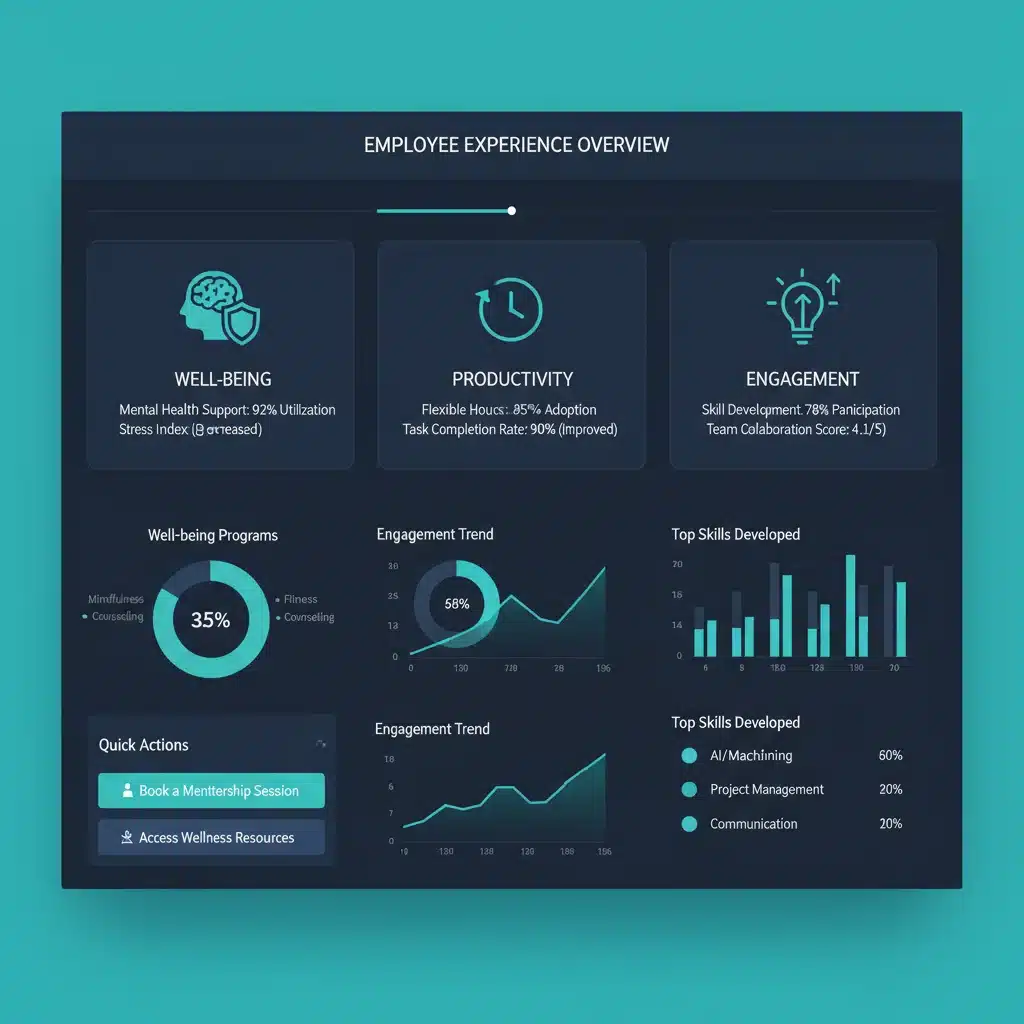
5. Redefining Productivity and Performance Metrics
In the traditional work model, productivity was often measured by hours spent at a desk or visible activity. With work leisure integration, these metrics are no longer sufficient or accurate. By 2026, organizations will need to redefine what productivity and performance truly mean, shifting focus from input to output, and from presence to impact.
Adaptations in this area include:
- Outcome-Based Performance: The primary measure of success will be the achievement of agreed-upon outcomes and objectives, rather than the time spent working. This requires clear goal setting, transparent expectations, and regular reviews of results. This shift empowers employees to manage their time and methods in ways that best suit them, as long as the desired results are delivered.
- Data-Driven Insights, Not Micromanagement: While data analytics will play a role in understanding team performance and identifying bottlenecks, it will be used to provide insights and support, not for intrusive surveillance. The focus will be on aggregated data to improve processes and resource allocation, rather than individual activity monitoring.
- Holistic Performance Reviews: Performance reviews will broaden to include not just task completion but also contributions to team culture, innovation, problem-solving, and personal development. Peer feedback and 360-degree reviews will become more prevalent, offering a comprehensive view of an individual’s impact.
- Emphasis on Quality and Impact: Quantity of work will be less important than the quality and impact of the work produced. This encourages employees to focus on strategic tasks and high-value contributions, rather than simply ticking off items from a to-do list.
- Trust and Autonomy: Underlying all these changes is a fundamental shift towards trust and autonomy. When employees are trusted to manage their own time and work, they are more engaged, motivated, and ultimately more productive. This trust is the bedrock of successful work leisure integration.
The cultural challenge is to move away from deeply ingrained habits of measuring effort over results. This requires training managers to set clear, measurable goals and to coach employees on how to achieve them autonomously. Employees, in turn, must embrace accountability and proactive communication. By redefining productivity, organizations can create a more empowering and effective work environment that truly embodies the spirit of work leisure integration.
Conclusion: Thriving in the Integrated Future
The blurring lines between work and leisure are not a temporary phenomenon but a fundamental shift in how we approach our lives. By 2026, organizations and individuals who successfully adapt to this new paradigm will be those who embrace hyper-flexibility, prioritize holistic well-being, reimagine their workspaces, cultivate continuous learning, and redefine productivity based on outcomes and impact. The concept of work leisure integration is not about sacrificing personal life for professional gain, but about creating a synergistic relationship where both aspects enrich and inform each other.
This future demands courage from leaders to challenge traditional norms, empathy to understand diverse employee needs, and a commitment to investing in the tools and cultures that support this evolution. For individuals, it requires self-awareness, discipline, and a proactive approach to managing their own integrated lives. Those who adapt will unlock unprecedented levels of creativity, engagement, and fulfillment, proving that a life where work and leisure harmoniously coexist is not just a dream, but a tangible reality.
The journey towards full work leisure integration is ongoing, but the five cultural adaptations outlined here provide a robust roadmap for navigating the complexities and harnessing the immense potential of this transformative era. Embrace the change, and position yourself and your organization for sustained success in the integrated world of 2026 and beyond.